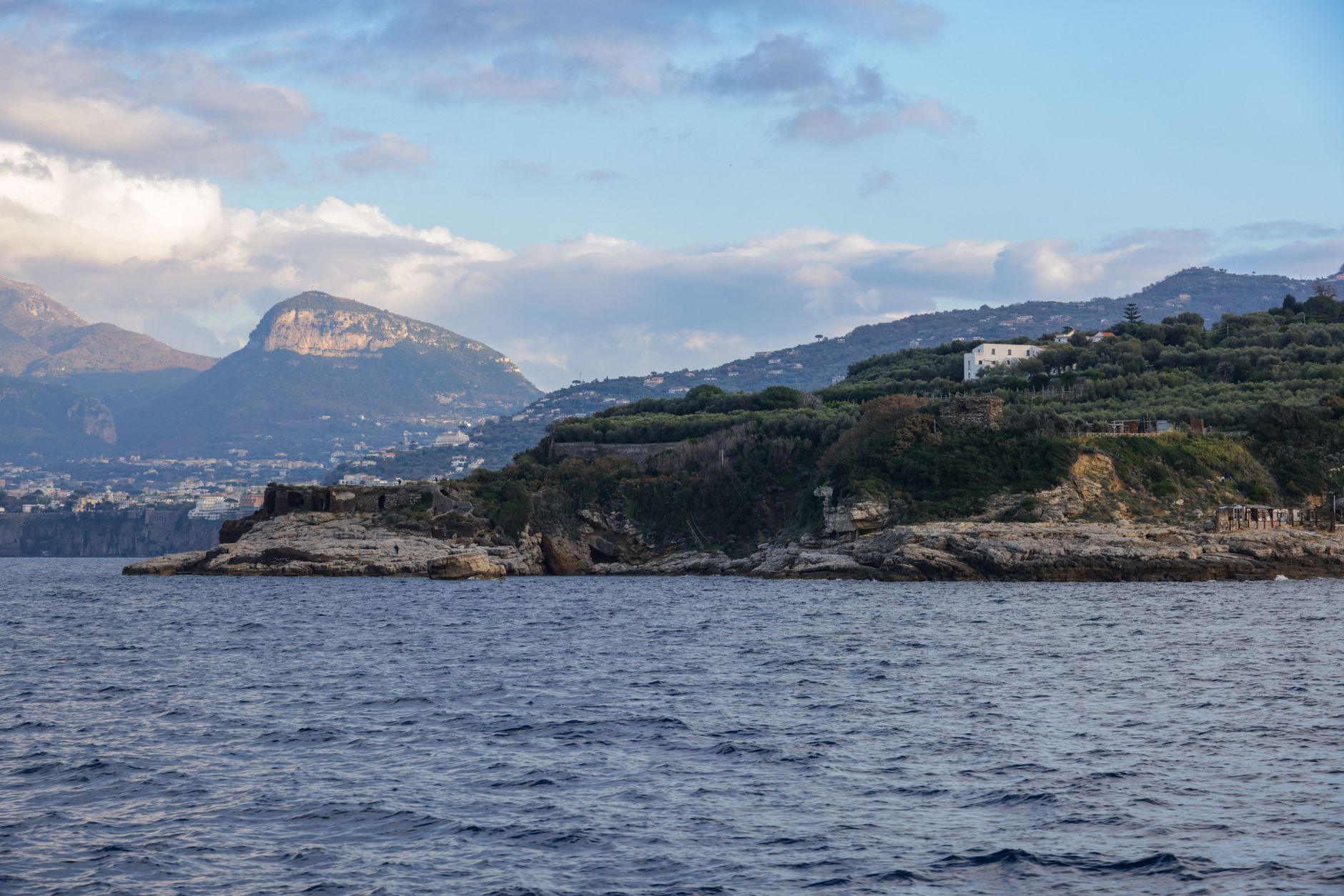

Menorca is not an island you visit in three days. It is a territory where a family of eight people arrives at a house with a garden and barbecue, hangs up their phones, and discovers that the rhythms are different. There is no hurry in Es Mercadal, the village in the interior where they still grind flour at the Santa María mill. Nor is there in Alaior, where the Coinga cheese factory has maintained its technique for generations. A house in Menorca is that: the permission to stay.
What it really means to stay in a house in Menorca
A house in Menorca is not an aspirational luxury villa or an urban apartment. It is a structure designed so that a large family—six, eight, ten people—can live together without invading each other's space. With a private pool or barbecue in the garden. With a real kitchen, not a kitchenette. With enough space so that grandparents have their bedroom, children have theirs, and parents can breathe. They are properties located in residential developments in coastal villages like Cap d'Artrutx or on the perimeter of Menorca capital, where the car is the natural rhythm of movement. They are not movie houses. They are functional, comfortable houses with local character—many with details of Minorcan architecture, with whitewashed walls, with fruit trees that were already planted fifteen years ago.
Villages and areas to live in for two weeks
Menorca capital
The city concentrates markets, gastronomy, and services. The port is the natural point of entry. Houses here are a base to explore the rest without the need for daily movement. From the port, riverside promenades connect to coves to the north in less than twenty minutes by car.
Cap d'Artrutx
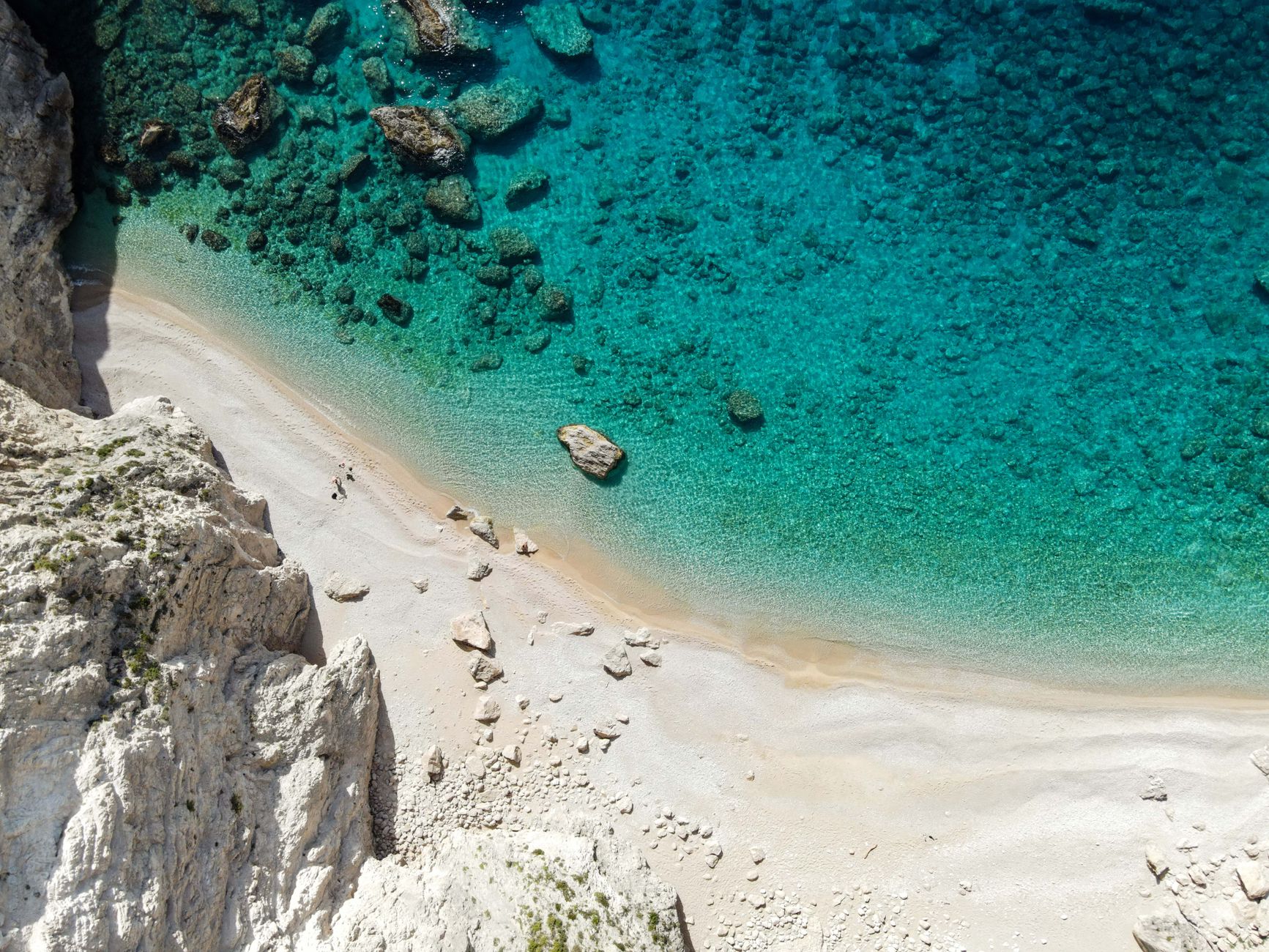
Coastal residential development in the south. Direct access to white sand coves—Galdana, Macarella—without intermediaries. It is where families that rent a house for two weeks leave their car parked for several days. Beach restaurants operate without reservations. The sunset at Cap d'Artrutx is not a postcard photo, it is a daily truth.
Es Mercadal
Interior village where the rhythm is that of a village market. The agricultural cooperative sells Ramellet tomatoes—a local variety, more acidic than industrial ones—directly from the field. It is the base to climb to Es Cavall d'En Pep, the highest point on the island, in fifteen minutes.
Alaior
The second most important village. Known for the Coinga cheese factory and its traditional silver pearls. Houses here are usually ten minutes from coves like Binibequer, a miniature composition of fishermen where salt-baked fish taverns have operated since the sixties.
Fornells
Fishing village in the north. Protected bay, controlled wind, departure point for families who want a coastal hiking route without drama. Lobster stew restaurants (local specialty) operate from midday. They don't take reservations; people just arrive.
When to go to Menorca as a family
May, June, September, and October. The water is between 20 and 24 degrees. The private pools at the houses are usable without running air conditioning at full capacity. July and August are months when occupancy rises, villages become crowded, and supermarkets have less variety of fresh produce. April and November are transitional: sunny days alternating with short rain. If you travel with school-age children, Easter holidays allow you to rent a house without crowds.
Table, markets, and local products
Menorca has a cuisine built on limited but recognizable products: the Ramellet tomato, protected by PDO; Menorca cheese, also PDO, with its distinctive four-pointed cross; octopus Galician-style that many taverns prepare as they do in Galicia. Markets operate in each village: Menorca capital has a covered market where you can buy fresh fish early in the morning. The taverns in Fornells prepare the lobster stew over a slow fire for hours—it is a dish that requires time, not speed. Families who rent a house for fifteen days usually make an initial supermarket shopping, then resupply at village markets. Local wine is little known, but the Alaior winery has been producing for years with grapes from the island.
Why our houses fit in Menorca
In the Boolook catalog, we curate 6 properties in Menorca, with an average price of 267.51 EUR per night. It is not a large number. We do not aspire to be one. Our filter is simple: houses where a family of six to ten people can live ten or fourteen days without the feeling of being on frantic vacation. Houses with a private pool or garden where the barbecue works. Houses in real villages, not in invented resorts. If you are looking for specific options, you can explore our houses in Menorca here. And if you prefer to explore other regions, check out all our destinations.
A house in Menorca is the permission to stay, without a phone, without an agenda, for two weeks.
The traveler who chooses a house in Menorca is not looking for canned experiences or photos of replicas. They are looking for a different rhythm. They are looking for a pool where grandparents get in with their grandchildren. They are looking for a kitchen where you can prepare lunch without a counter in between. They are looking for the barbecue working at sunset, while the local wine cools in an ice bucket. That is what our houses offer.
— Boo