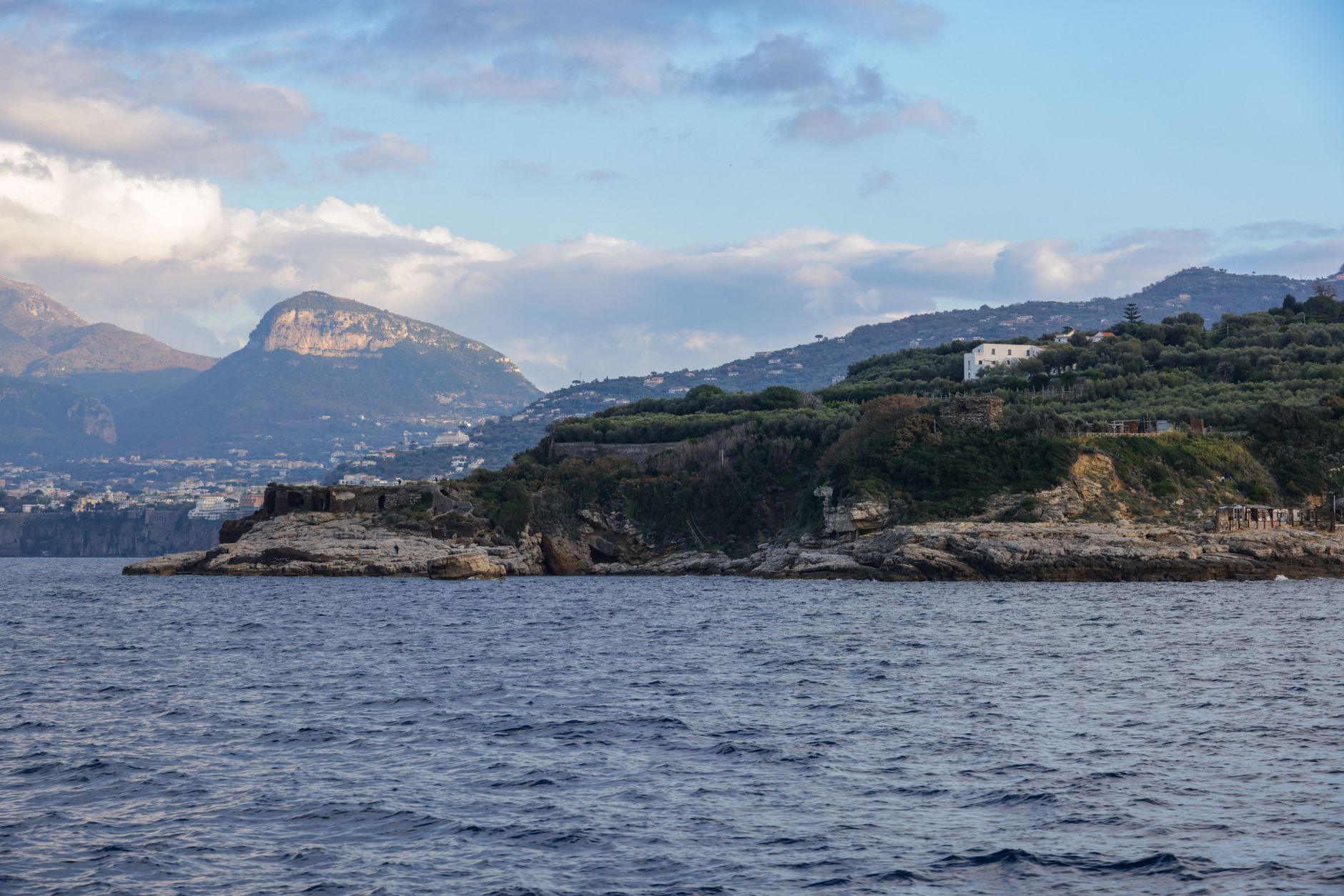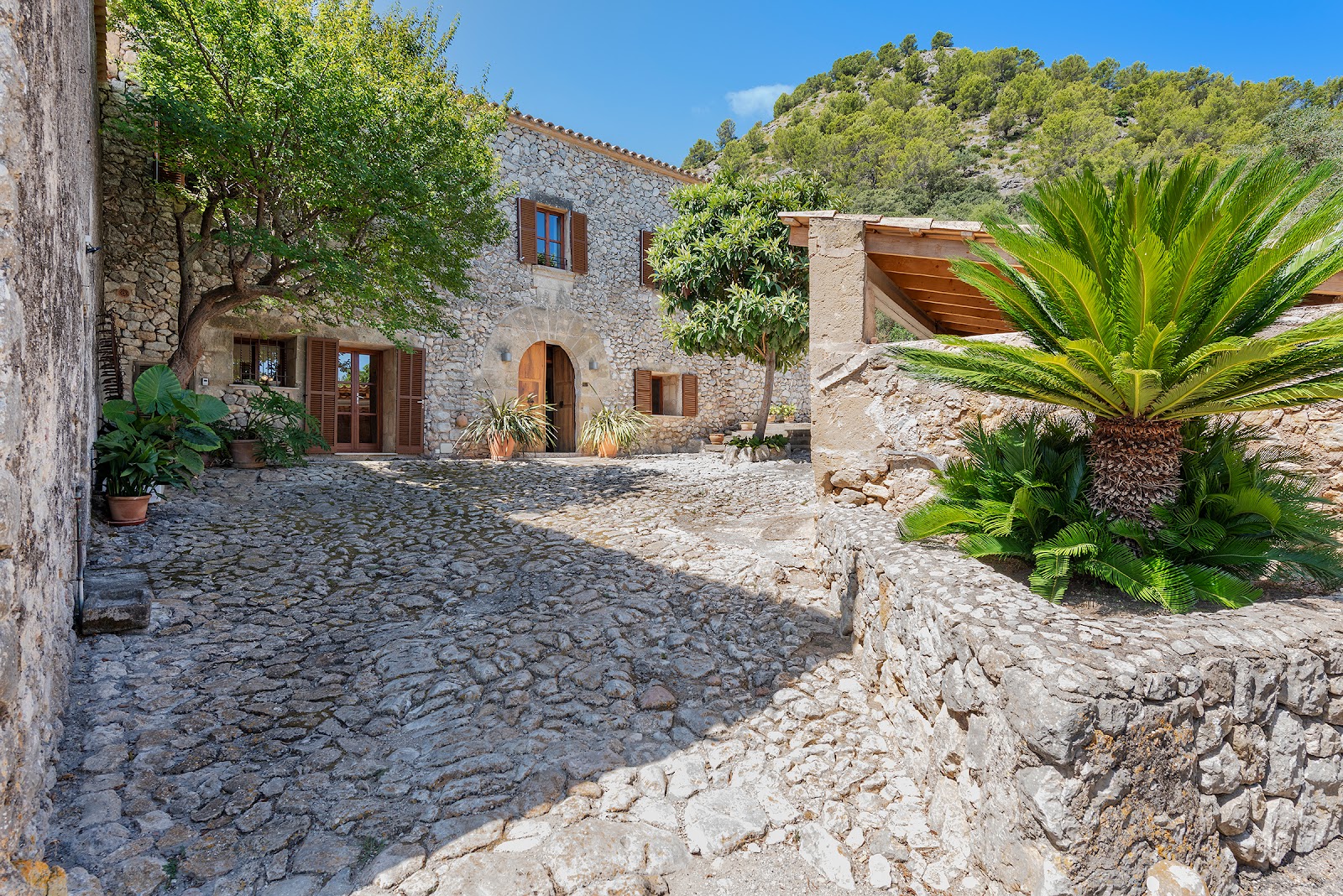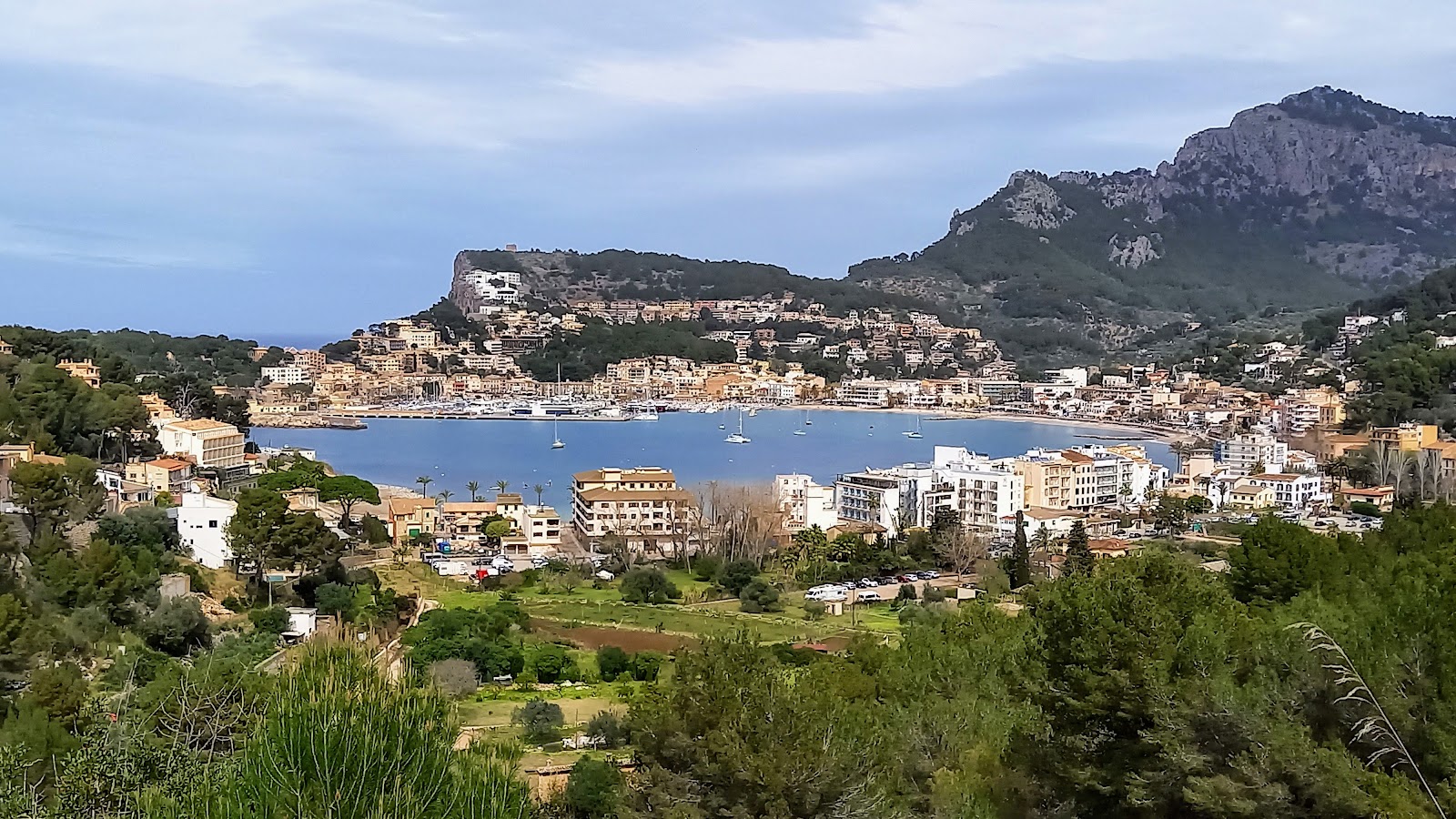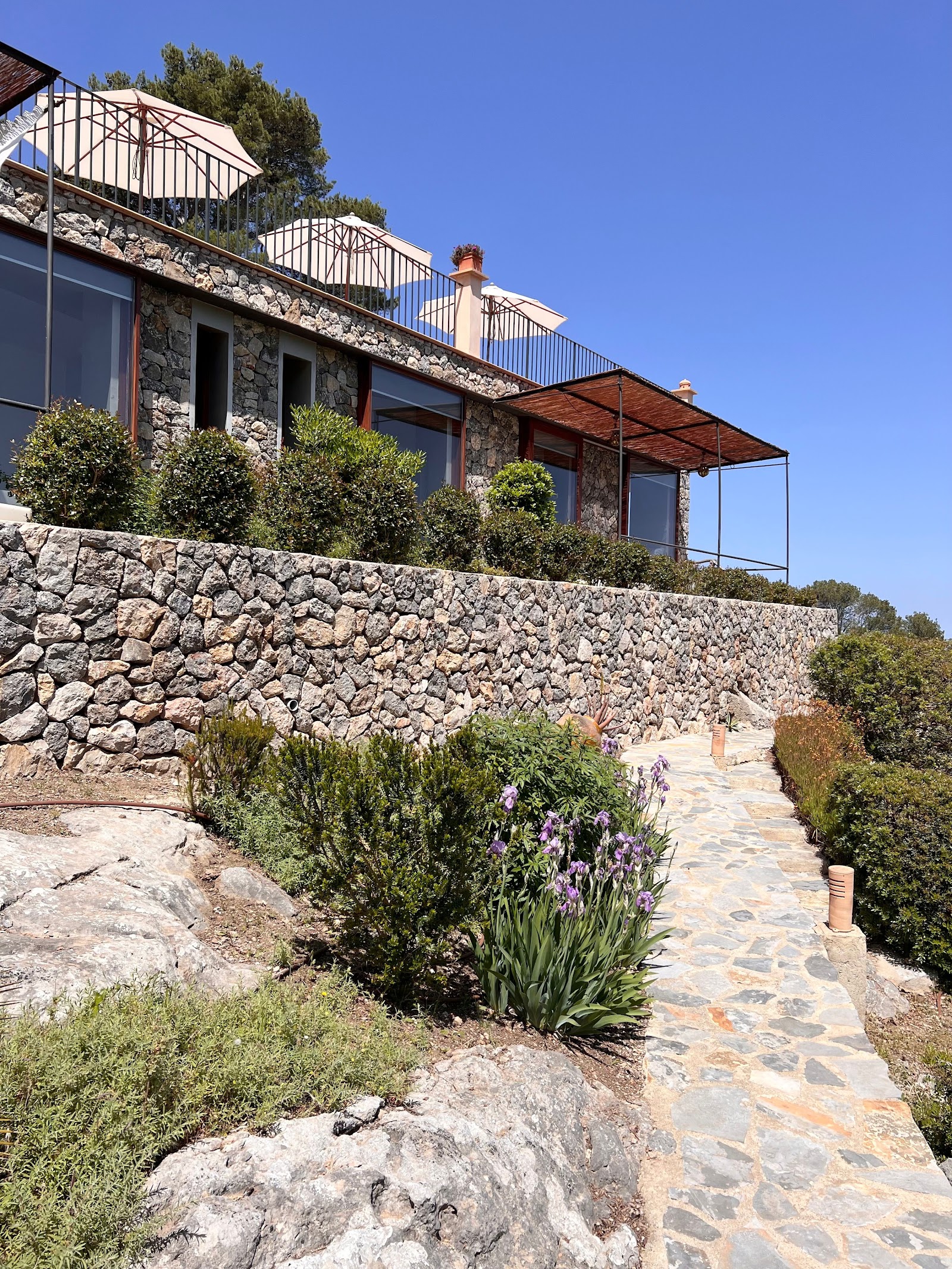


The Balearic coastline is a succession of turquoise coves and limestone cliffs that drop vertically into the Mediterranean. There is no fine dust sand or tropical vegetation: here the color comes from the depth, from a geology that emerges abruptly. Long beaches alternate with inlets where barely a dozen umbrellas fit. Some are reached by car; others, only on foot. All have character.
The coves you can't miss
Cala Mondragó, Santanyí (Mallorca)
A cove with two halves separated by a strip of pine: the northern one, more sheltered and with sand; the southern one, with pebbles and even clearer water. Access by road to the parking lot, then 300 meters on foot via a marked trail. In August, the umbrella area is limited, but the deep water toward the north remains calm even in high season.
Playa de Formentera (Baleares)
The small island has two reference beaches: Illetas, with soft waters and light sand facing Ibiza, and Migjorn, a long beach that runs along the south with low dunes and easy access. Illetas is a sunset diving spot; Migjorn, for lying all day without seeing anyone outside of July and August.
Cala Tuent, Deià (Mallorca)
Nestled in the cliff of the Serra de Tramuntana, it is a wild cove with grey pebbles and water that changes blue depending on the time of day. Access is via a dirt track of 2 kilometers from Deià; in summer, the track fills with cars at first light. There are no facilities: bring water. But the silence and the depth justify the trip.
Cala Millor, Son Servera (Mallorca)
An urban beach but with character: 1.5 kilometers of fine sand and a waterfront promenade with local restaurants, not franchises. The water is warm and shallow, ideal for families. From the Cala Millor marina you can rent boats to explore the adjacent coves without crowds.
Cala Saona, Formentera
The western cove of Formentera, with white sand and low dunes that act as a natural screen. The water is shallow for the first 50 meters. There is a traditional beach chiringuito. Best visited at sunset, when the sun touches the Ibiza mountain range in the background and the capacity drops after five in the afternoon.
Playa de Alcúdia, Alcúdia (Mallorca)
The northern bay of Mallorca: 7 kilometers of beach with light sand and little swell. It is the family beach par excellence, with services from 9 in the morning and shaded areas. The MA-3110 road leaves you on the waterfront promenade. In June and September, capacity is moderate; in August, it is the mirror of a crowded Mediterranean beach.
To escape the crowds
If you are looking for tranquility, Cala Figuera (Capdepera) is a tiny inlet with fishermen who arrive at first light. Access on foot from the village, 400 meters via a coastal trail with views of cliffs. There is no sand: it is a cove of smooth rock and crystal-clear water where fish are visible from the shore.
Cala Pregonda, in Menorca, is another semi-secret option: a pebble beach with dunes, access via an unpaved track from Es Mercadal. Capacity is low because there are no facilities, but it has a rustic chiringuito in season. The water is colder than in the south due to the influence of north winds.
In Ibiza, Cala Conta (Sant Antoni de Portmany) is a 300-meter cove with earth-colored rock formations. Access is a steep descent via wooden stairs, which filters out mass tourism. At sunset, the water color changes from turquoise to violet.
When to go
June and September are the ideal months: warm water (23-24 degrees), powerful but not scorching light, and moderate capacity in accessible coves. Beaches without facilities remain pristine even in full summer if you arrive before 11 in the morning. If your plan is unhurried exploration, early morning is essential for coves like Tuent or Figuera — the place fills up between 12 and 2 p.m. For urban beaches like Alcúdia or Millor, the afternoon (after 5 p.m.) is diving time without queues. August offers warmer water but also peak occupancy; if you come in August, choose remote coves or long beaches where spreading out is possible. If you also want to plan museums, villages, and local gastronomy, check our guide to must-sees in Baleares.
Where to stay nearby
Boolook has 169 properties available in Baleares with an average price of 148.29 EUR per night. For northern beaches (Alcúdia, Pollença), staying in Pollença (14 properties) leaves you 15 minutes from Playa de Alcúdia and access to the entire Tramuntana coast. Alcúdia (9 properties) is more urban but strategic. To explore the eastern coastline and Mondragó, Santanyí (8 properties) and Capdepera (8 properties) are villages with character that don't rely on beach tourism. In central Mallorca, Sóller (9 properties) is an excellent base for Deià and Cala Tuent — the village has a historic wooden train that descends to Puerto de Sóller in 20 minutes. For Formentera, access is by ferry from Ibiza (30 minutes); in Ibiza, Sant Antoni de Portmany (4 properties) is the logical departure point for Cala Conta. Search for accommodations in Baleares and filter by beach area.
— Boo: the coves of Baleares are not all visible from the main road. You have to spend a morning on coastal trails, parking lots without painted lines, and restaurants where the menu is on a blackboard. That is what keeps them alive.