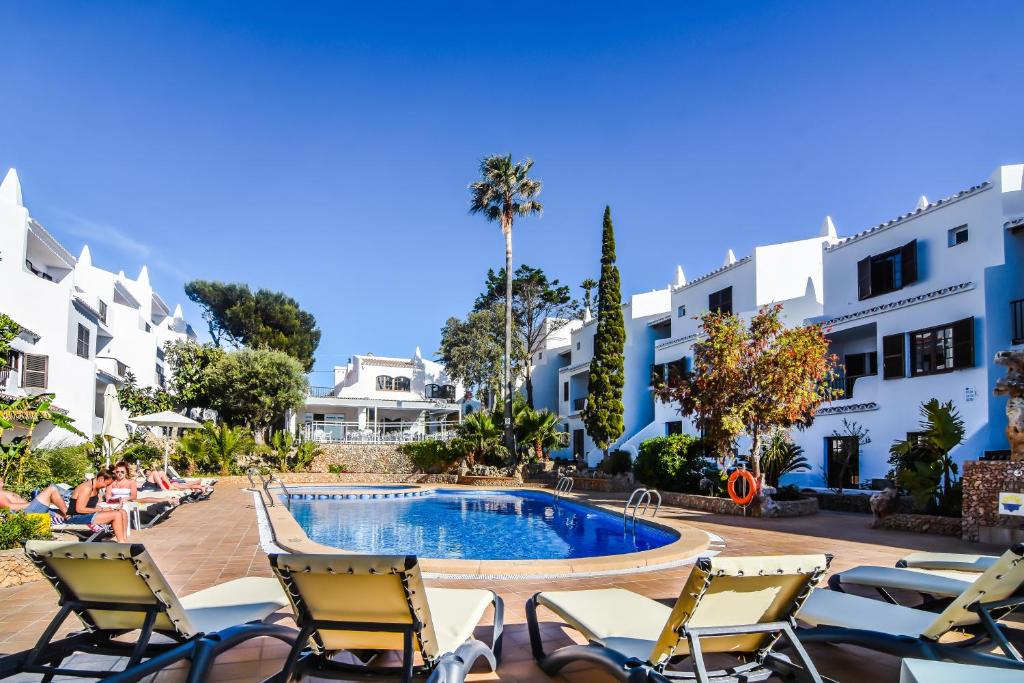

Menorca doesn't need noise to seduce. From the first step in Plaça d'Alfons III in Ciudadela, where merchants sold indigo and cordovan leather five centuries ago, you discover that this island of barely 702 square kilometers operates at a different pace. I've visited thirty beach destinations, and I tell you: Menorca chooses whoever truly wants to be here. In our catalog we curate 19 properties spread between Menorca and Cap d'Artrutx—from renovated fishermen's houses to villas with views of the talayot—because we believe accommodation is the first decision of the trip.
The real personality of staying in Menorca
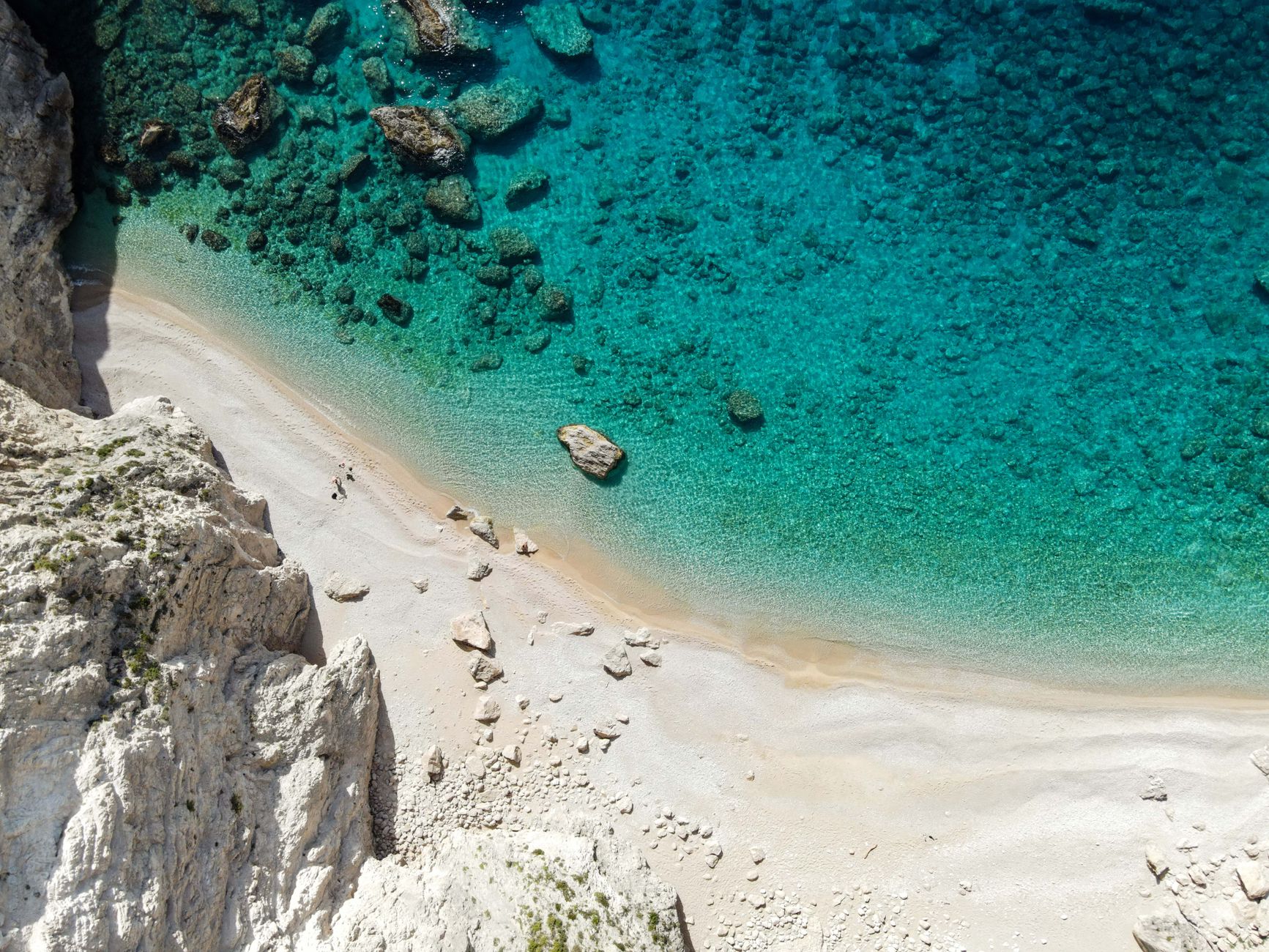
Menorca is the Balearic island where white architecture is not decoration, it's defense: whitewashed walls reflect the July sun without noisy air conditioning, and windows close at midday because people know how to live. Local markets function as they always have—the Ciudadela market opens every Tuesday and Friday, and you'll find Mahón DOP cheese stacked as it has always been—and visitors who choose to stay here tend to be readers, cooks, curious architects. The island has 70 documented coves, some only accessible on foot or by boat; that also defines who comes: people who plan, not those who improvise.
Different from Mallorca because it doesn't have towns with five thousand simultaneous tourists; different from Ibiza because here local records play in bars with fifteen-table terraces, not in mega clubs. The island breathes with the rhythm of its 95,000 inhabitants. And when you rent a house here, you temporarily become one of them.
Essential towns and areas
Ciudadela
The administrative heart of Menorca despite Mahón being larger. Plaça d'Alfons III has Gothic palaces from the 17th century with dark wooden doors, and from the Natural Port you see the island as Phoenician merchants saw it. The Arsenal de la Mola, five kilometers away, is an 18th-century fortress open for visits; the stones speak of genuine defense, not tourist decoration.
Mahón
The modern administrative capital, where the port is life. Founded as Maó by the Carthaginians, it has mixed architecture that historians document: neighborhoods with three-story houses with closed balconies (18th-century British heritage), and gray stone alleyways. The Claustro de la Catedral market opens daily with local vegetables from small farmers who close at one o'clock in the afternoon.
Ferreries
An inland village, far from the coast, where tourism hasn't touched its pulse. The houses are the color of air after rain. Ferreries was an artisanal center for kilns; today it preserves that spirit in small wood workshops and cheese-making. From here, walkable paths lead to Barranc de Algendar, where there is water even in summer.
Cap d'Artrutx
The southern tip of the island with historic lighthouses and orange limestone coves. It's a preserved residential area, without giant urban developments, where sunsets have the exact geometry of eroded rocks. A property in our catalog is located here, isolated but with documented access roads.
When to visit Menorca
September is the invisible month: water at 24 degrees, temperatures of 28-30 ºC without August's stuffiness, and Menorcan schools have just started (tourism drops). May and June are September's siblings: direct light, markets overflowing with ramallet tomatoes and strawberries, and children still in class. August fills the well-known coves; July too, but it's more predictable. Winter is for those who want real tranquility: occasional rain, temperatures of 10-14 ºC, and bars with local Menorcans, not tourists. A practical observation: the island works twice as well if you bring a rental car.
Table and markets of Menorca
Menorca has Protected Designation of Origin for three products: Mahón-Menorca cheese (Friesian cattle on sea rush pastures), Menorca olive oil (low acidity, herb flavor), and on a smaller scale Menorca gin from the Xoriguer distillery from 1780. Local markets sell cheese in one-kilo blocks at fair prices; you'll also find homemade tomato sauce in glass jars. Traditional Menorcan cuisine has verifiable dishes: panada (meat and pea pie), lobster stew in Ciudadela (now more symbolic than frequent, but historically important), and salads with round head lettuce from the garden and sweet onion. In any town with more than two thousand inhabitants there are bars where you have coffee and local ensaimada for breakfast.
How our houses fit into Menorca
In our catalog we curate 19 properties in Menorca, with an average price of 280.16 EUR per night. They range from renovated town houses in Ciudadela to villas with plots in Cap d'Artrutx, all with verifiable data on services, capacity and precise geographical location. The properties are especially suited for families seeking culinary independence (equipped kitchens, markets five minutes away), couples traveling without rush (private terraces, walkable coves from the door), and travelers who want to sleep where Menorcans live, not where tourists stay. Explore available accommodations in Menorca or check all our Mediterranean destinations if you prefer to compare.
Menorca awaits those who know how to be quiet and look. We make sure you have a house where you can do it comfortably.
— Boo