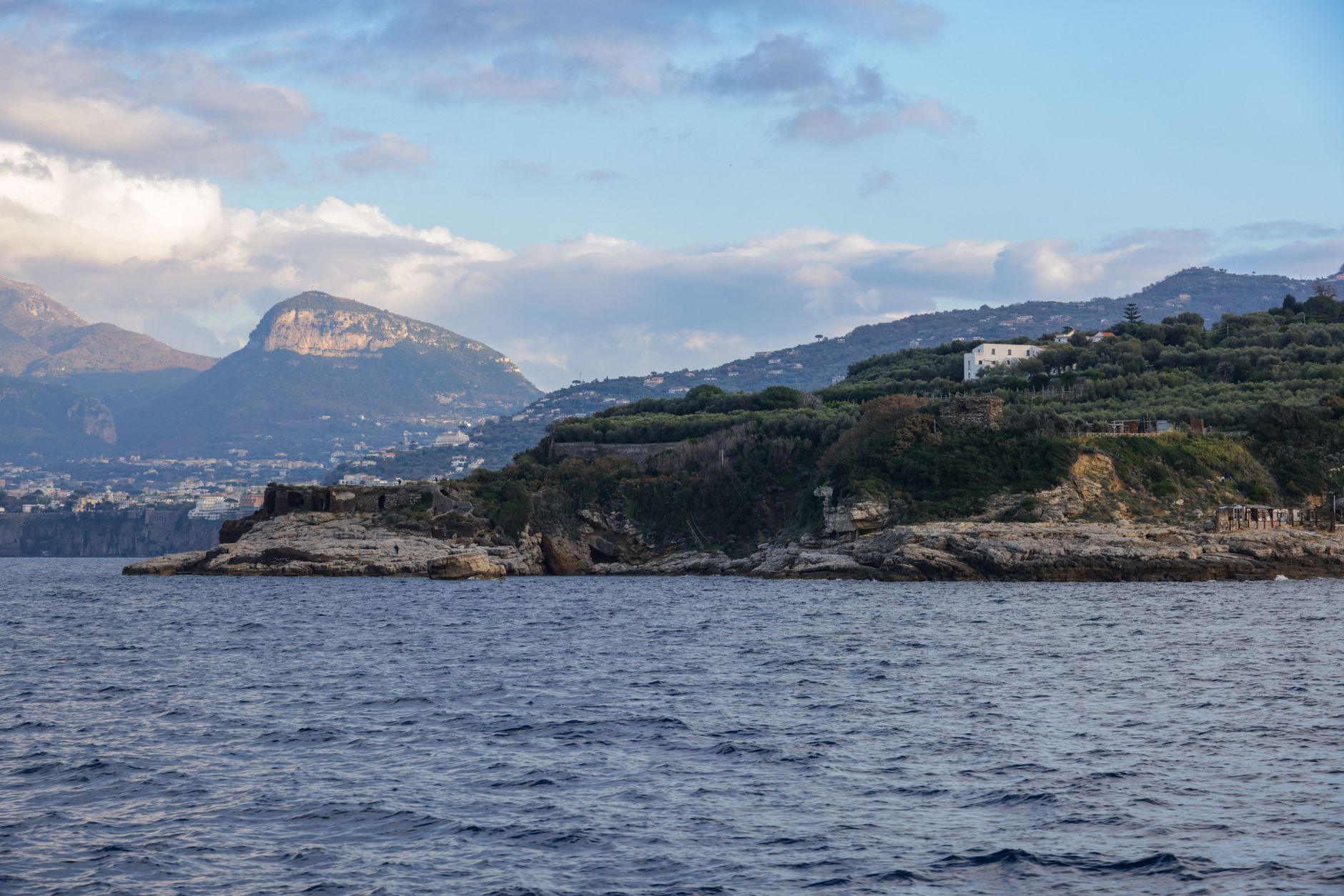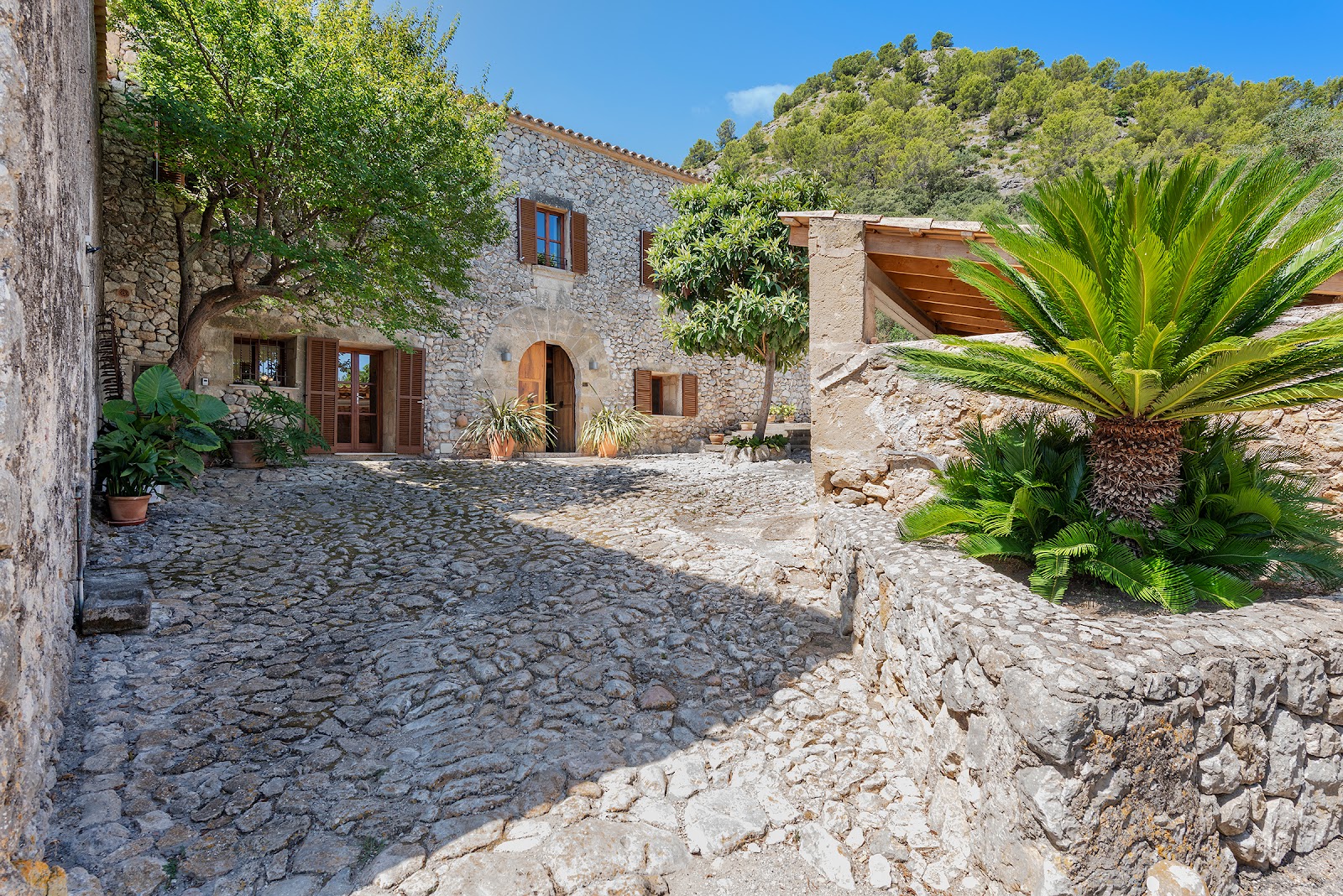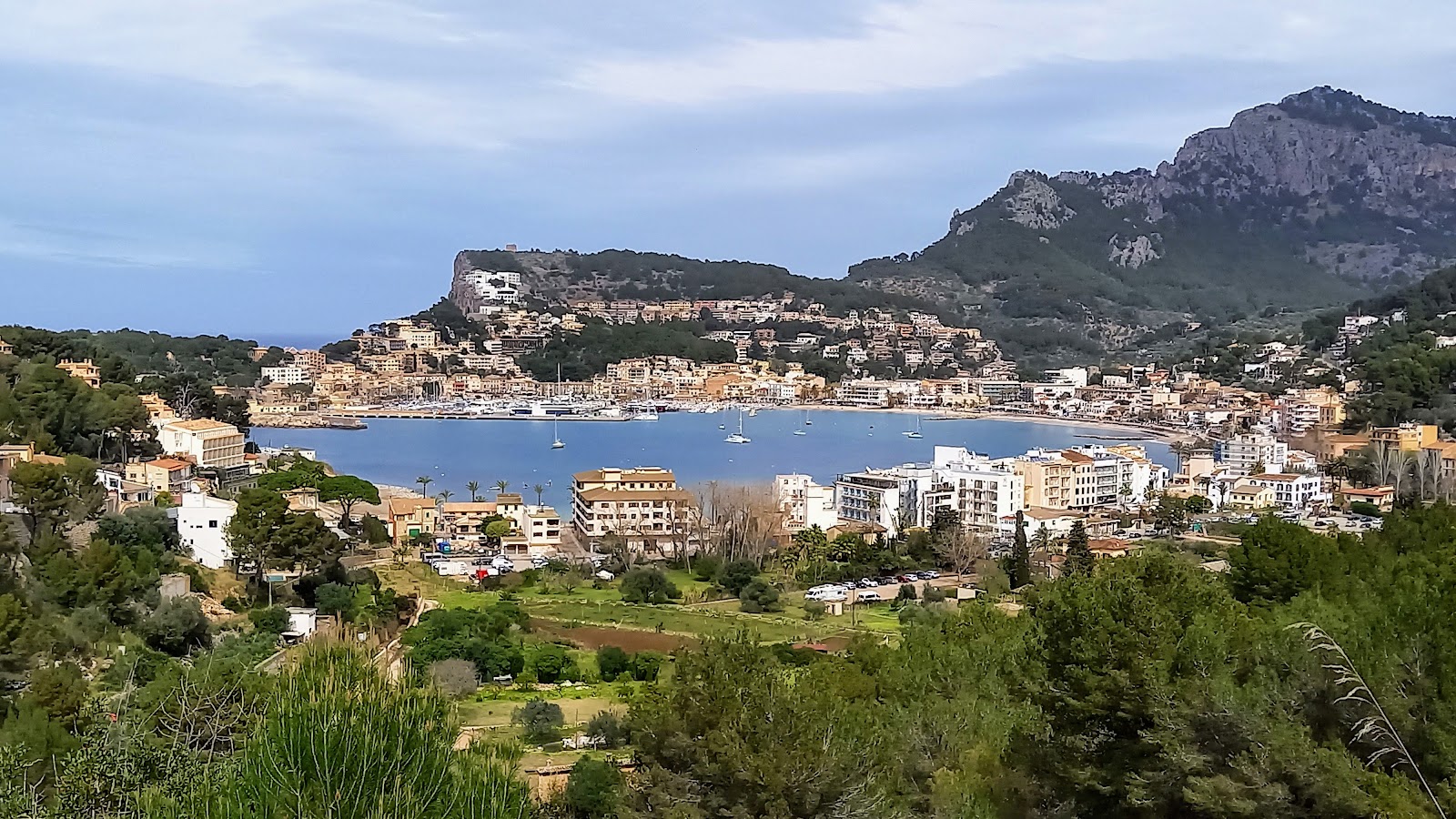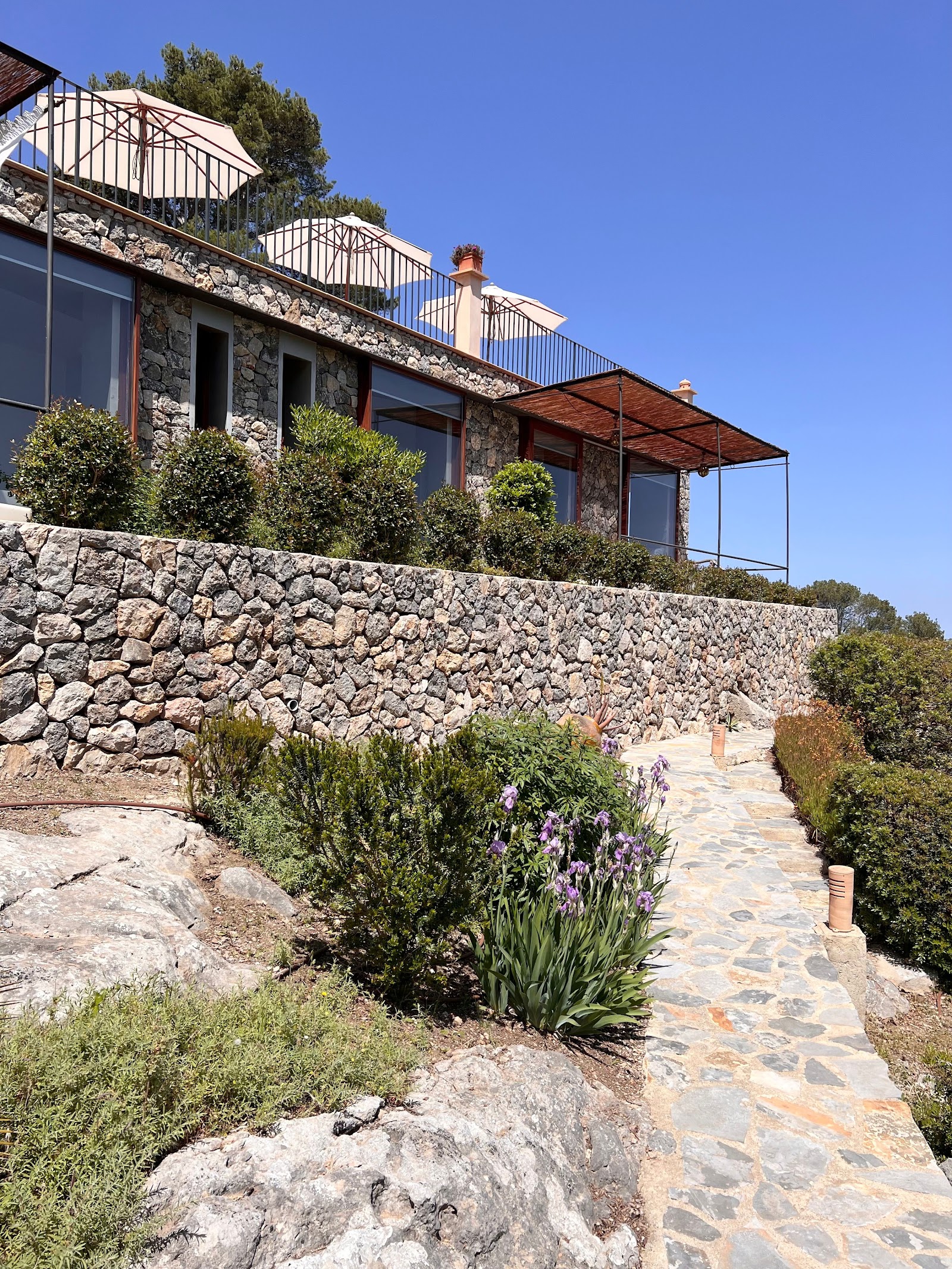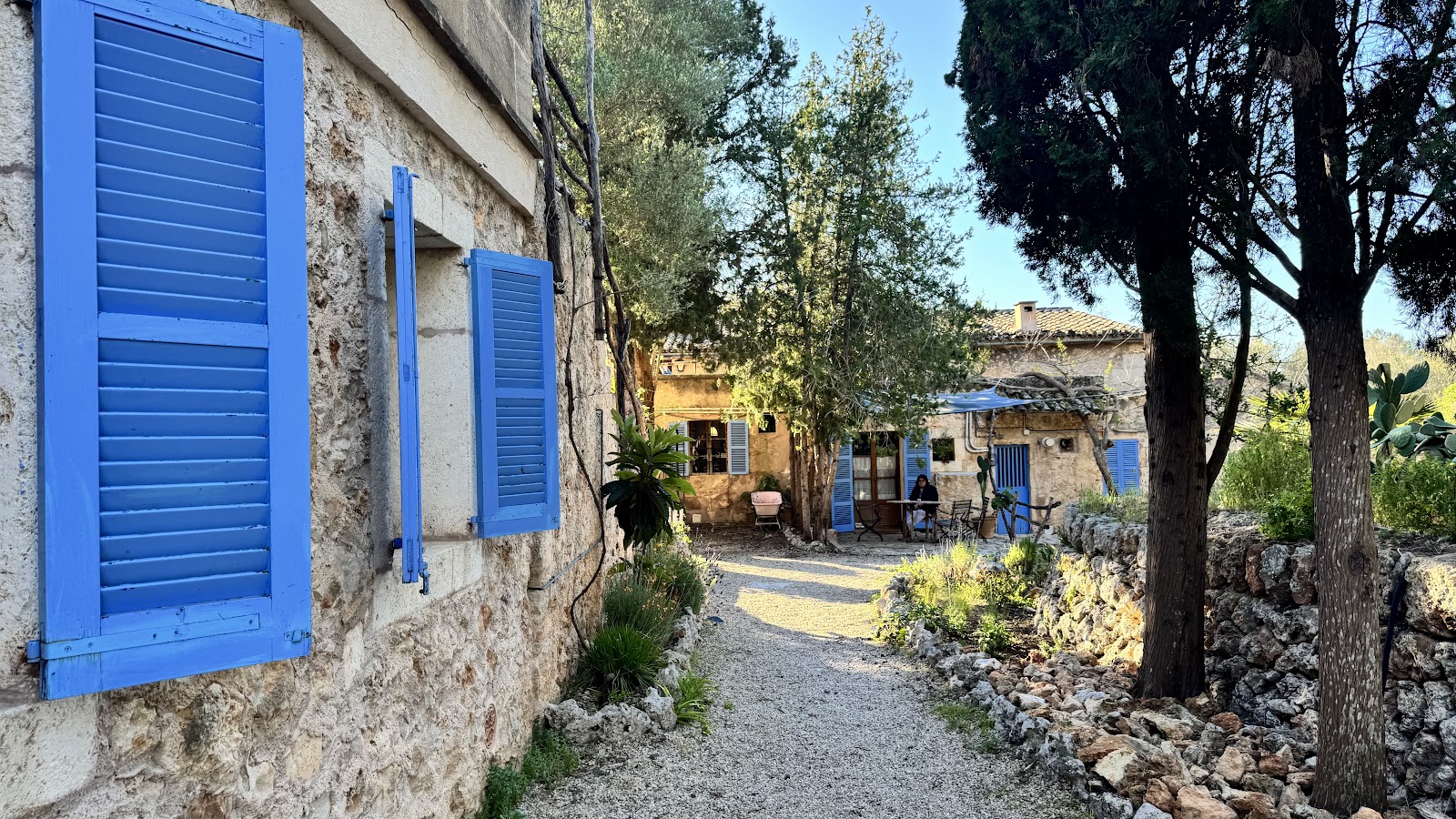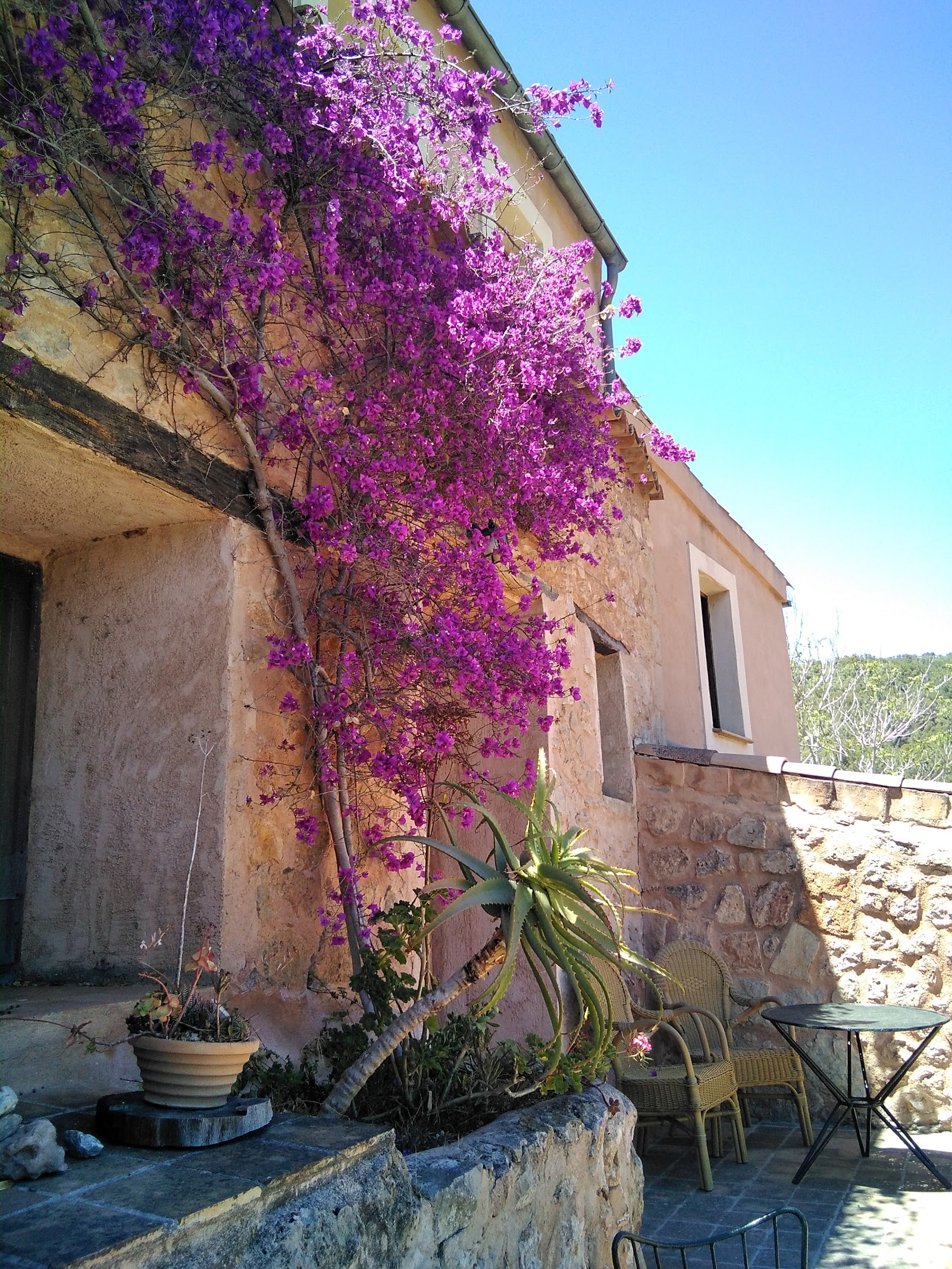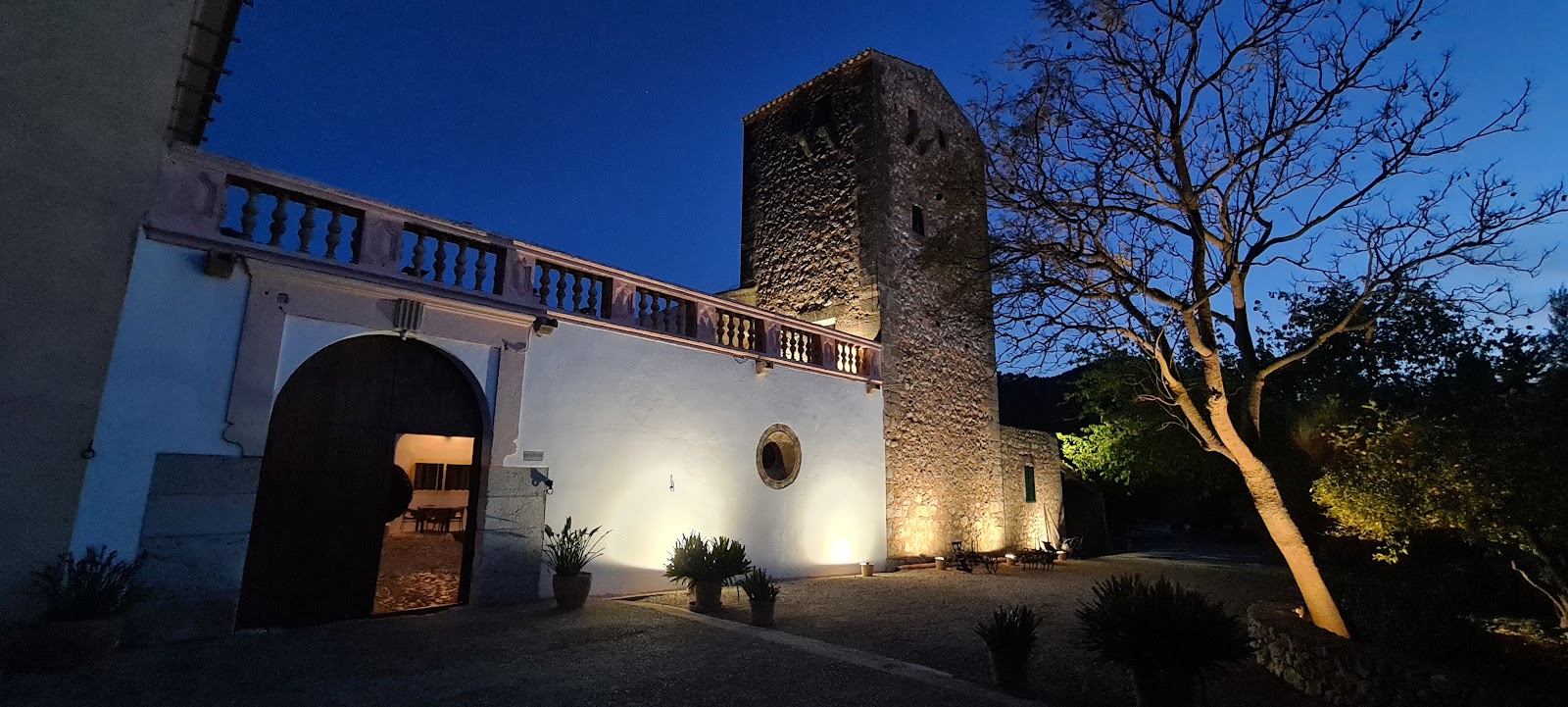


The Balearic Islands are not just coastline and turquoise waters. It is also the voice of Catalan resonating in ancestral markets, the chords of Balearic guitar in village squares, and a festive calendar that has marked the pulse of the community for centuries. Here, patron saint festivals are not spectacle for outsiders: they are celebrations of identity, of local saints, of harvests, of the living memory of each island. If you seek authentic Baleares, the true encounter happens when villages take to the streets.
The cultural soul of the Balearic Islands
The Balearic Islands speak Catalan. It is not a minor detail: it is the language of identity, heard in every market, in every tavern, in the mouths of fishermen and grandmothers. The historical coexistence of Romans, Arabs, and Christians left layers: Arab heritage in the architecture of Alcúdia, the windmills that still function in Mallorca, the ceramics of Ibiza with patterns that connect to Al-Andalus.
Traditional trades persist. Master woodworkers of Mallorca still carve furniture with techniques centuries old. Mahón cheese, with Protected Designation of Origin since 1985, is produced in Menorca following methods dating back to the British occupation of the 18th century. Wines from Pla i Llevant (DO Mallorca) are cultivated in vineyards that inherit Phoenician techniques. Every product, every trade, is a thread connecting past and present. The traditional gastronomy of sobrasada (Balearic sausage with paprika, with guaranteed PGI), pa amb tomàquet, and ensalada mallorquina is flavor archaeology: what people here have eaten for generations, not what someone decided to sell to tourists.
Modern sculpture and painting have deep roots in the Balearic Islands. Joan Miró lived in Mallorca in the last years of his life, and his studio in Palma still functions as a museum. The modernist architecture of the early 20th century is scattered across villages like Sóller, where the Parish Church combines Gothic and modernisme. This is the invisible culture that breathes beneath every square, beneath every bell tower.
The festive calendar
Sant Antoni — January
In late January, Sant Antoni is celebrated in every Balearic village with processions of blessed animals, nocturnal bonfires, and traditional music. In Sóller, the main square fills with people bringing horses, cats, and dogs to be blessed by the priest, a medieval custom that persists intact. It is a festival with pagan roots Christianized, where fire and animal protection are protagonists. If you want to experience the most authentic version, small interior villages like Sant Joan de Labritja (Ibiza) have less tourist traffic and more community character.
Dijous Bo — January (Es Mercadal, Menorca)
In mid-January, in Es Mercadal (Menorca), the Dijous Bo is celebrated, a traditional livestock and local products fair that has been active for over 300 years. It is a blend of medieval market and social gathering: ranchers, artisans, sellers of Mahón cheese, wine, and local fruits. It is not an officially declared festival in the strict sense, but it is a cultural event inscribed in Menorca's calendar as a continuation of a tradition that defines the island. Attending means understanding Menorca as a productive territory, not just beaches.
Moors and Christians — May (Pollença)
In Pollença, in early May, the Moors and Christians festival recreates the historical battle between cultures. Processions in medieval costume, mock combat, and a final procession on the Calvary (a staircase of 365 steps that dominates the village). It is living heritage of the memory of occupation and resistance. Pollença is a mountainous village in northern Mallorca that preserves that celebration with historical seriousness: it is not spectacle for outsiders, it is collective memory. If you come in May, you can combine this festival with the coves and villages of the north.
San Juan — June
In late June, the night of San Juan is a celebration of fire, water, and seasonal transition throughout the Balearic Islands. In Menorca and Mallorca, beaches fill with wooden bonfires, people jump over the flames (Nit de Foc), and there is Balearic guitar music until dawn. It is a festival of pagan origin reclaimed by Christianity, a blend of solstice and island identity. If you want to experience authentic San Juan, coastal villages like Capdepera (Mallorca) have beaches where tradition remains communal. In large cities like Palma, it is more commercialized.
Virgin of Carmen — July
In mid-July, the fishing villages of the Balearic Islands celebrate the Virgin of Carmen with processions of decorated boats and blessing of the sea. In Sóller, Sant Antoni de Portmany (Ibiza), and other ports, it is pure maritime festival: boats are adorned with flowers, there is music, and the procession departs from the port toward the open sea. It is liturgy of gratitude and protection for the catch. To experience it, choose small coastal villages where fishing still matters: Capdepera or Deià offer that authentic pulse without crowding.
Day of the Assumption — August
August 15th marks the climax of summer festivities in the Balearic Islands. Each village has its patron saint festival dedicated to the Virgin or a local saint. In Valldemossa, it is a serene celebration in the Sierra de Tramuntana with procession and music. In Alcúdia, the festival fills the medieval village streets with parades of gigantones (allegorical giant puppets) and folk dancing. August is also peak season: if you seek less saturated festivals, consider July or September in interior villages like Santanyí.
When to travel to experience it
May and June are ideal months: moderate temperatures (25-28ºC), spring festivals with less saturation than August, and lively villages without being packed with beach tourism. The Moors and Christians of Pollença in May is a singular spectacle. San Juan in late June is a night of transition: cultural and climatic at once. If you prefer a more relaxed atmosphere, January (Sant Antoni) is a quiet month, cold but dry, and beaches are empty. August concentrates tourist ambition and intense heat (32-34ºC): patron saint festivals exist, but villages are full. Book accommodation in advance (4-6 weeks) if you want festival + lodging in a village during August.
Where to stay during the festivals
Boolook offers 169 curated properties in the Balearic Islands with an average price of 148.29 EUR/night. To experience the festivals from the epicenter, choose a village over the beach. Pollença (14 properties) is strategic for Moors and Christians and spring festivals. Sóller (9 properties) captures the essence of a mountain village with living tradition. For San Juan, Capdepera (8 properties) offers access to beaches and nocturnal fires. Alcúdia (9 properties) is central for northern Mallorca and August festivals. If you prefer Menorca, Es Mercadal is near villages like Cidadella (7 properties). Search by village and filter by festival dates to ensure availability. Prices tend to rise during festival weeks, so book in advance.
If you're looking after a specific festival, explore other Mediterranean destinations with complementary festive calendars, or return to the Balearic Islands in low season (October-April) when cultural tourism and tranquility coincide.
The Balearic Islands are a destination where cultural identity breathes in every village square, in every market, in every festival night. The Islands do not wait for tourists to exist: they exist for themselves, and whoever arrives during a patron saint festival has the privilege of being an observer of something real.
— Boo