
The Balearics are not just beaches. They are also the taste of lobster torn apart in a red clay pot, the crackle of artisanal sobrasada on a slice of pa amb oli, the market that bustles every morning with voices speaking in Catalan while Ramallet tomatoes are weighed. Balearic cuisine is geography made into a dish: the Mediterranean in every broth, the Tramuntana mountain range in every garden vegetable, centuries of Arab occupation in the use of almonds and honey. There is no pretension here, only territorial logic. What grows and swims in these waters defines what is eaten on the stone tables of inland villages.
From the Sea
Caldereta de langosta is the dish that represents Menorca like no other. Live lobster, tomato sofrito, ñora peppers, white wine and a broth that absorbs hours of slow cooking in a clay pot—a family ritual repeated every festive Sunday in towns like Ciudadella and Mahón, where traditional confectioners offer versions rooted in seventeenth-century recipes. The product returns to the sea shortly after: Menorcan lobster carries Protected Geographical Indication status, and its artisanal capture in the Balearic Islands guarantees extreme freshness.
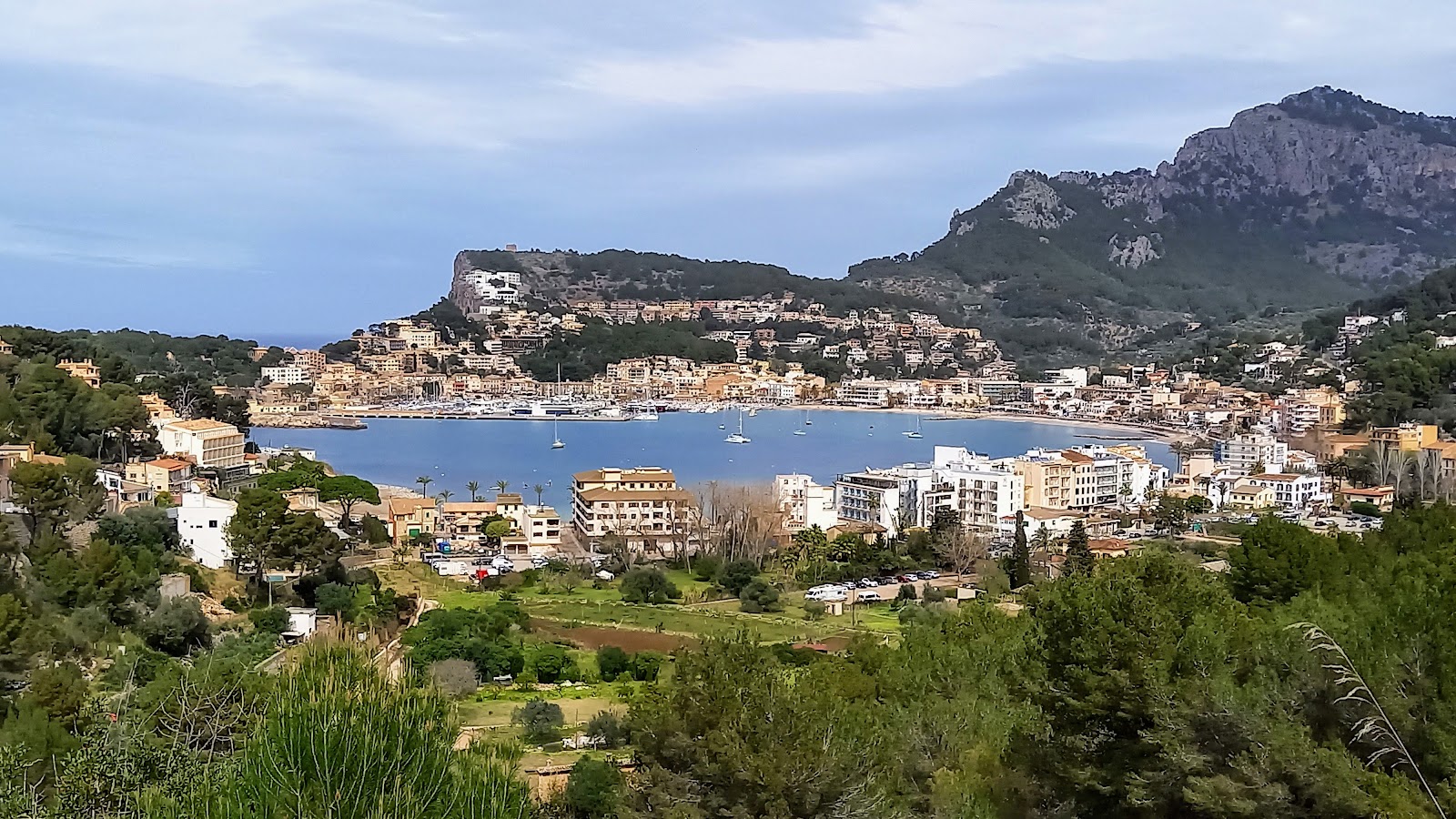
The esparelló—small grouper, with white and delicate flesh—is cooked in salt or simply grilled in coastal taverns. It is the fisherman's daily catch, today a diner's privilege. In Sóller and Deià, where the port receives boats before dawn, you will find family-run village restaurants where they roast it whole with barely any lemon. Pan tumaca—toasted bread, tomato, garlic and extra virgin olive oil—accompanies every fish worthy of respect. It is not an appetizer: it is the antidote to waste, humility made in the kitchen.
From the Land
Mallorca's sobrasada IGP is the cured meat that travels in the suitcase of every islander who leaves. Pork, paprika and salt, fermented in drying sheds where Mediterranean air does its work. It is eaten raw on toast, melts into pasta, trembles in a fried egg. In the markets of Palma and in inland towns like Manacor and Petra, where winter pig slaughters still take place, sobrasada comes from the hands of producers who guard ancestral secrets. Its oily character and deep red color make it unmistakable: it is not ham, it is something more intimate.
Mahón-Menorca DOP cheese comes in two forms: fresh or aged, orange rind after months in a wine cellar. Its paste is compact, slightly crystalline, with a salty flavor that recalls the island's pastures. Oliaigua—cold soup of tomato, onion, hard bread and oil, occasionally with anchovy—is the dish that stomachs return to in August when heat traps the villages. It is not gazpacho: it is more substantial, more territorial, more Balearic. Family taverns in inland Mallorca serve it without ceremony, in a clay bowl, at midday.
Markets and Producers
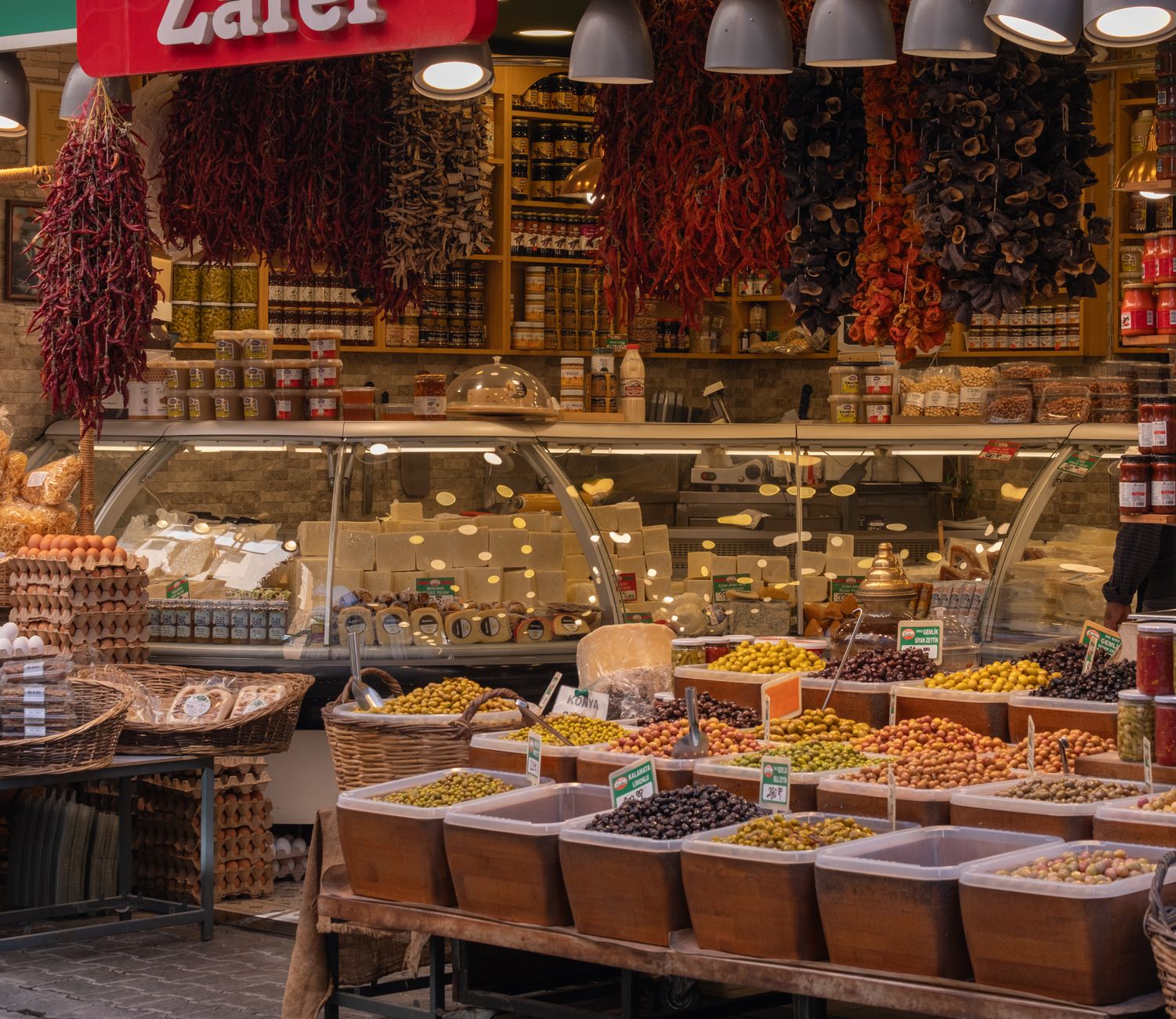
The Mercat des Born in Palma is the open mouth of the territory. Open since 1871, with its iron and glass structure, its columns hold vendors who shout prices, sellers who hand out cheese samples, counters where lobster coexists with seasonal tomatoes. It is a public institution, meeting point and observatory of daily Balearic economy. In Mahón, the Central Market—a neoclassical nineteenth-century structure—maintains that same energy: fresh fish on ice, local produce, the rhythm that makes home cooking possible.
Extra virgin olive oils from the Balearic Islands IGP are born in artisanal presses in towns like Capdepera and Alcúdia, where olive trees grow on terraces descending toward the sea. They are not industrial: they are small batches, early November harvest, intensely green. The salt from Ses Salines—Spain's oldest salt production, active since the thirteenth century—continues to extract sea water in red clay crystallizers, a craft that workers pass down from father to son.
Desserts and Sweets
The Balearic ensaimada is not just any sweet. Puff pastry dough rolled into a spiral, filled with angel hair or plain, dusted with powdered sugar, a baking that fills villages with a sour aroma. In Pollença and Valldemossa, where ensaimada has monastic roots, there are still bakeries where you buy it warm as you leave mass. The Menorcan flaó contains fresh island cheese, egg and mint, wrapped in puff pastry: it is an Easter tart, it is celebration, it is proof that Balearic sweets do not neglect local ingredients.
Where to Stay Near Good Food
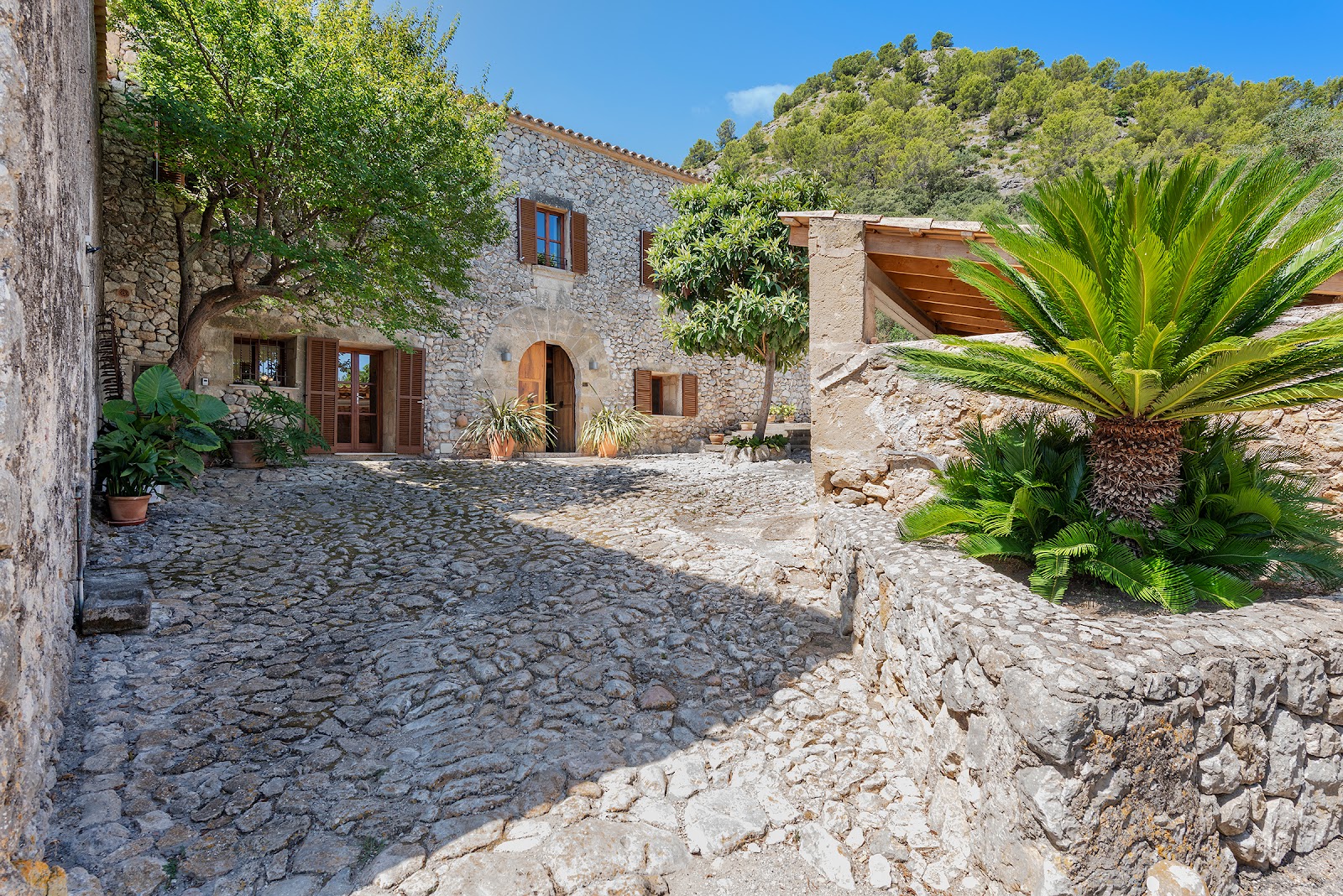
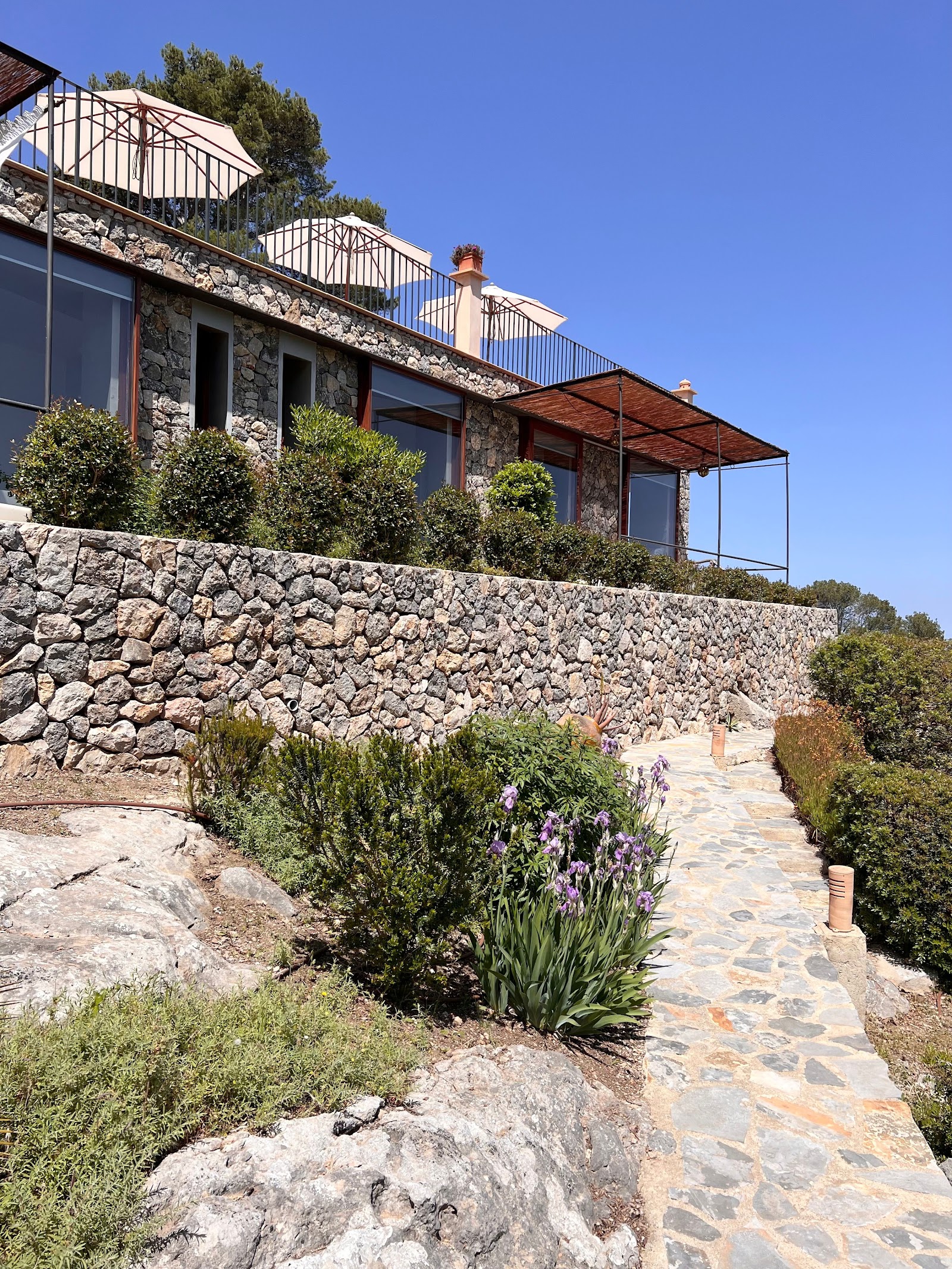
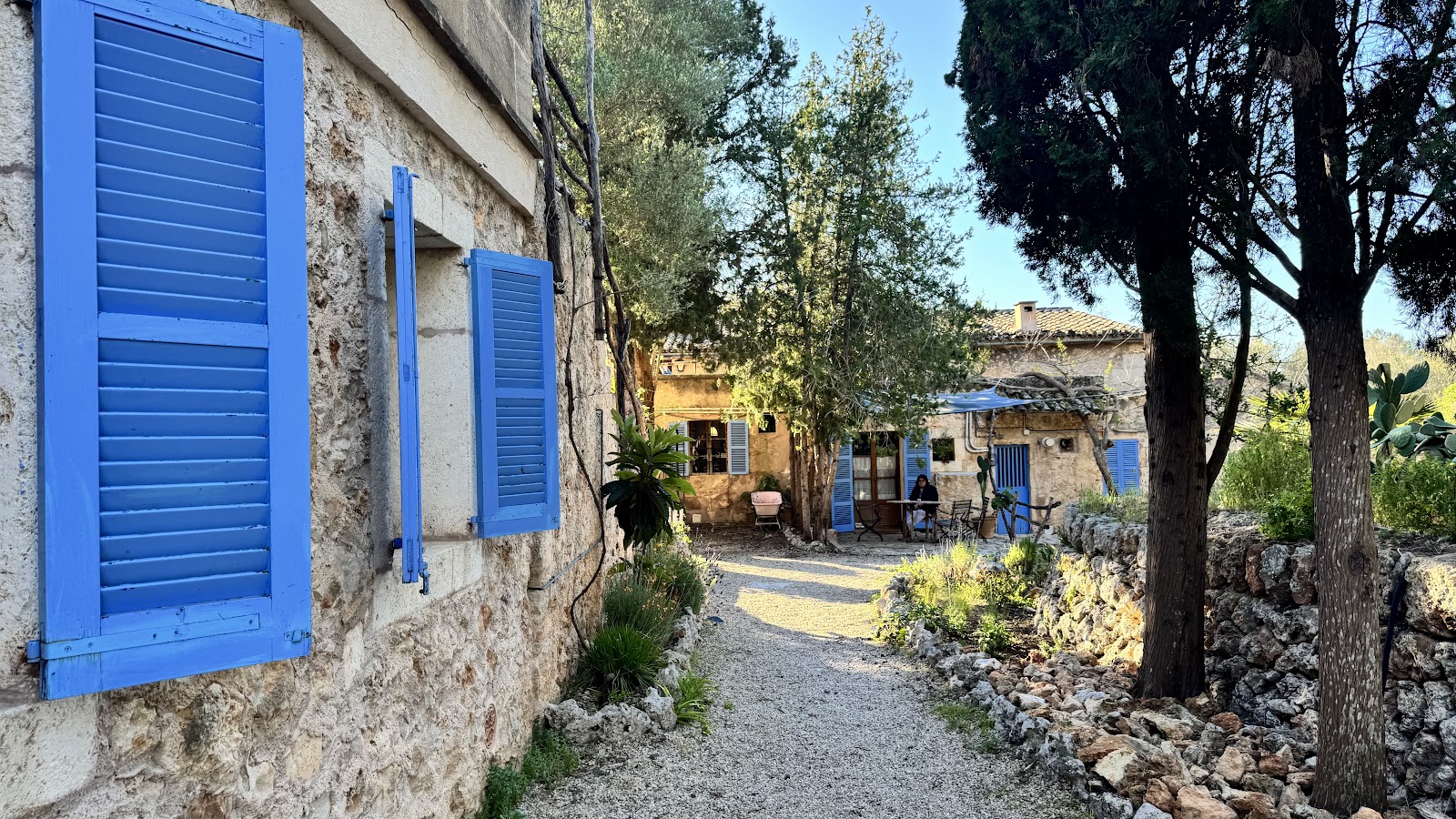
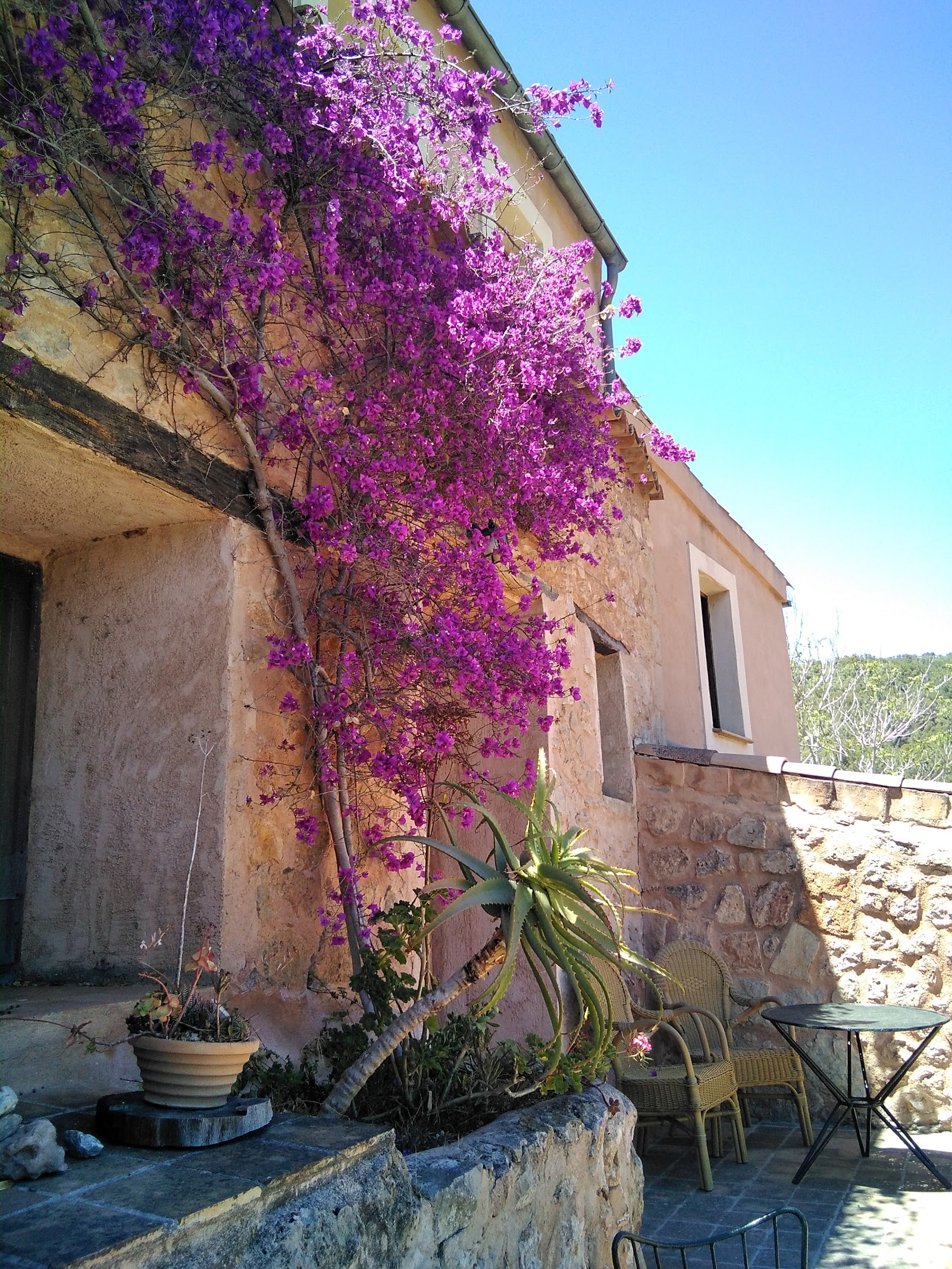
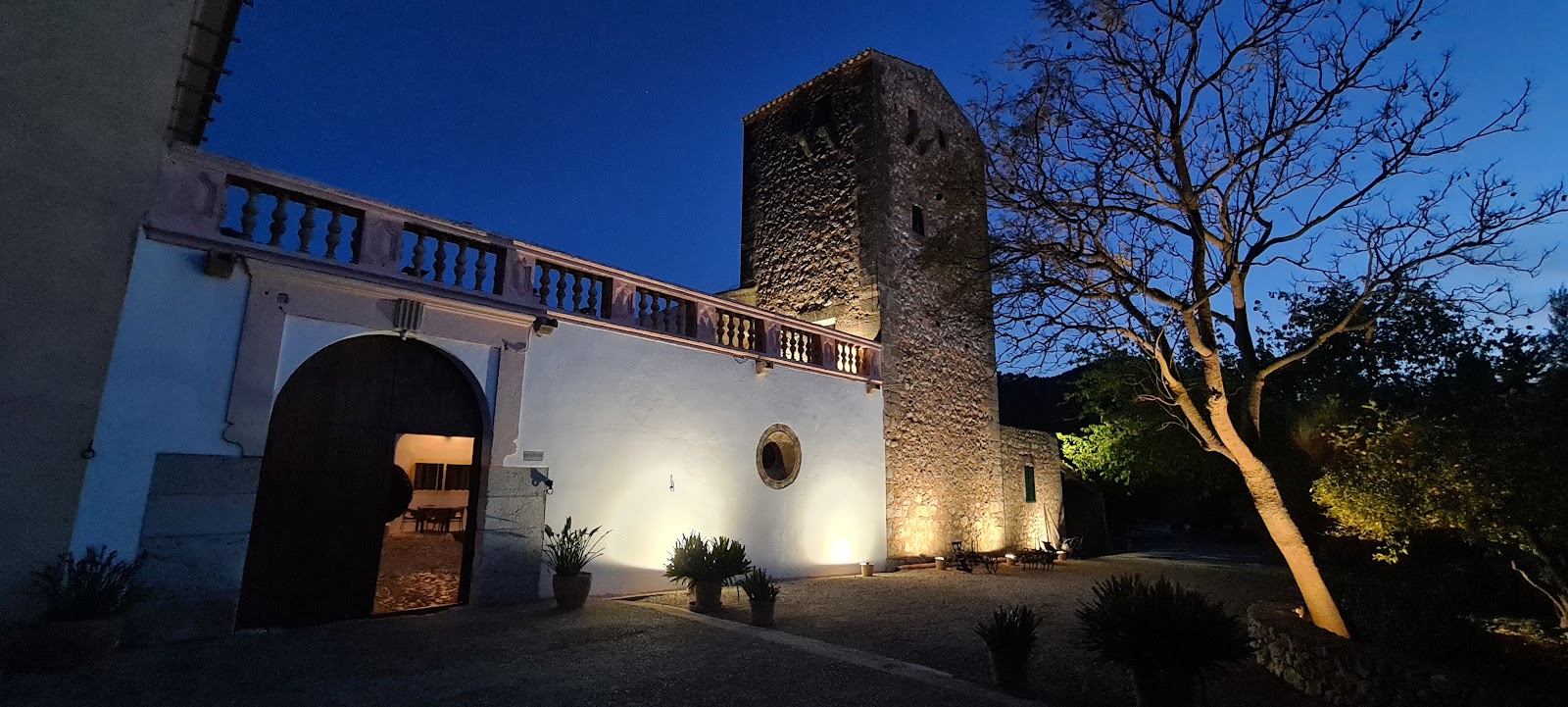
If you want to explore this culinary geography at a leisurely pace, the villages surrounding the markets and producers are the perfect base. Pollença, with 14 properties available in our catalog, is an inland village with direct access to markets and traditional taverns, without beach noise. Sóller, where lemon trees grow in the Vall, offers 9 accommodation options with character, a must-stop if you want to understand how local produce determines the day's menu. Santanyí, Capdepera and Ciudadella also offer excellent bases: authentic villages where the tourist respects the rhythm, and where patron saint celebrations and traditional festivals coincide with harvest seasons and product preparation.
The Boolook catalog has 169 properties available in the Balearics with an average price of 148.29 EUR per night, spread across villages where the market remains a daily ritual and good food is not a seasonal exception, but a rule of survival. To explore options, search for accommodations in the Balearics or browse our destinations in the region.
The Balearic table does not wait for the tourist. The tourist arrives and adapts to its rhythm: market at dawn, lunch at midday, siesta. If you are one of those who enjoys knowing where your food comes from, you will fit here like a stone in water. — Boo