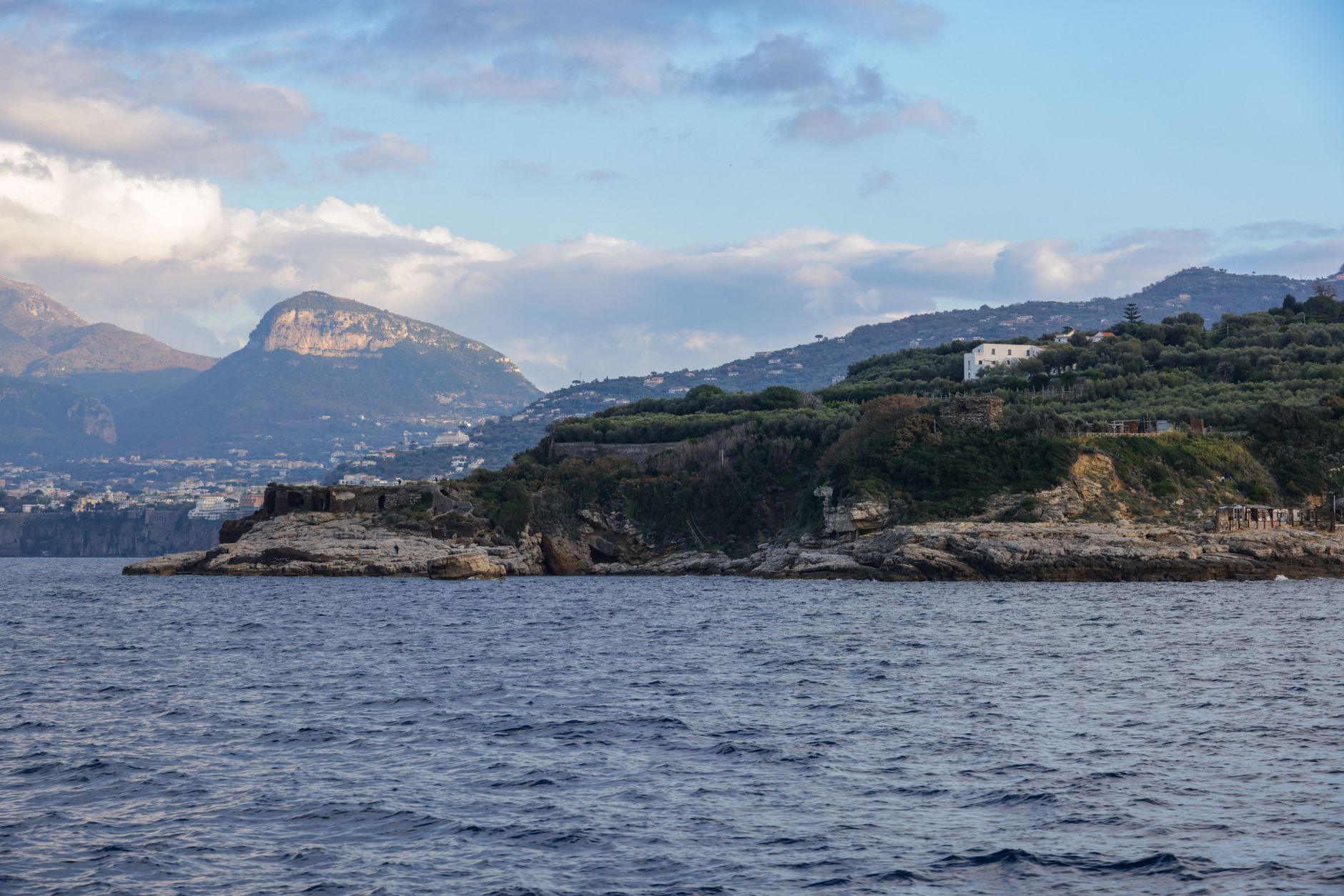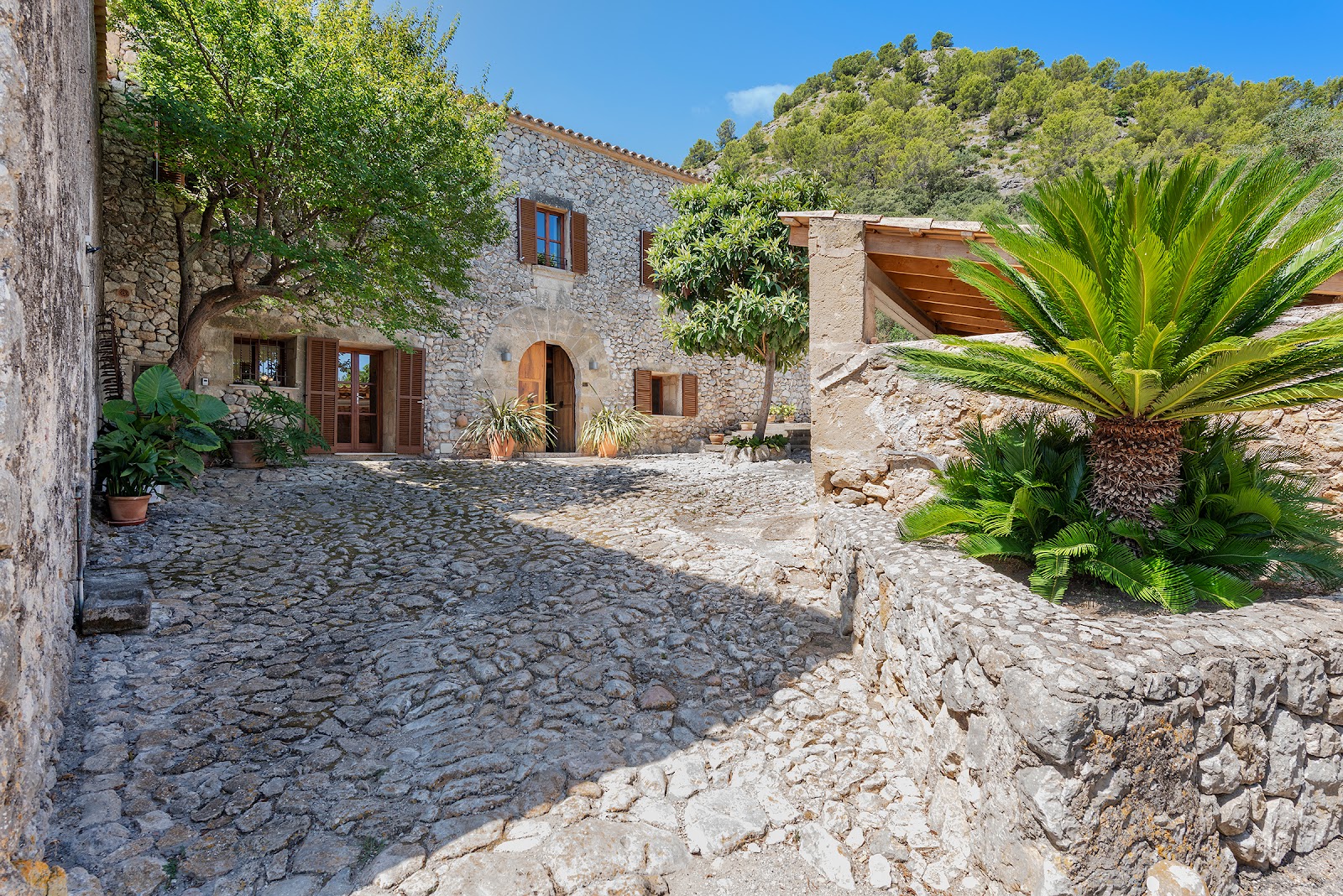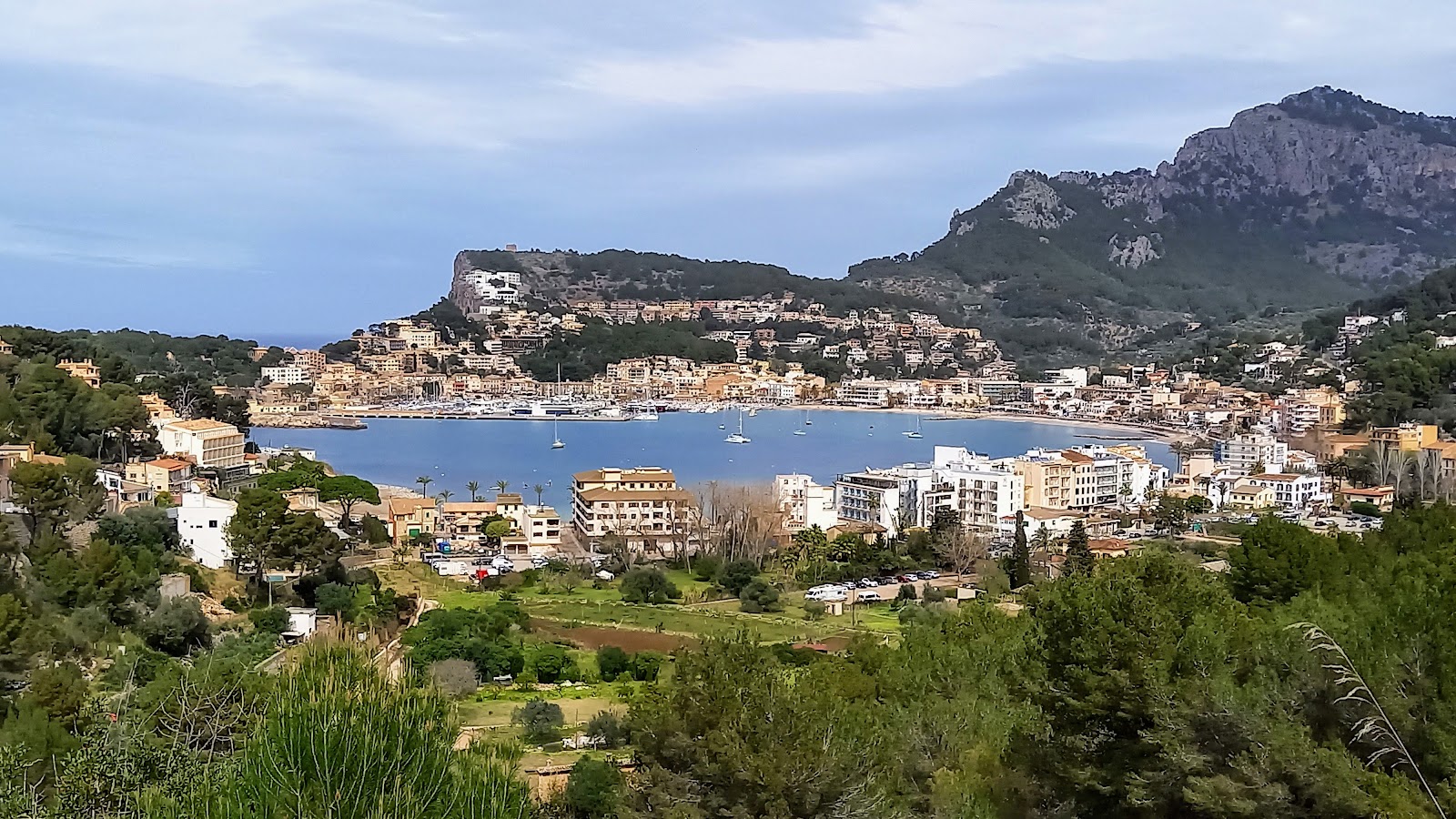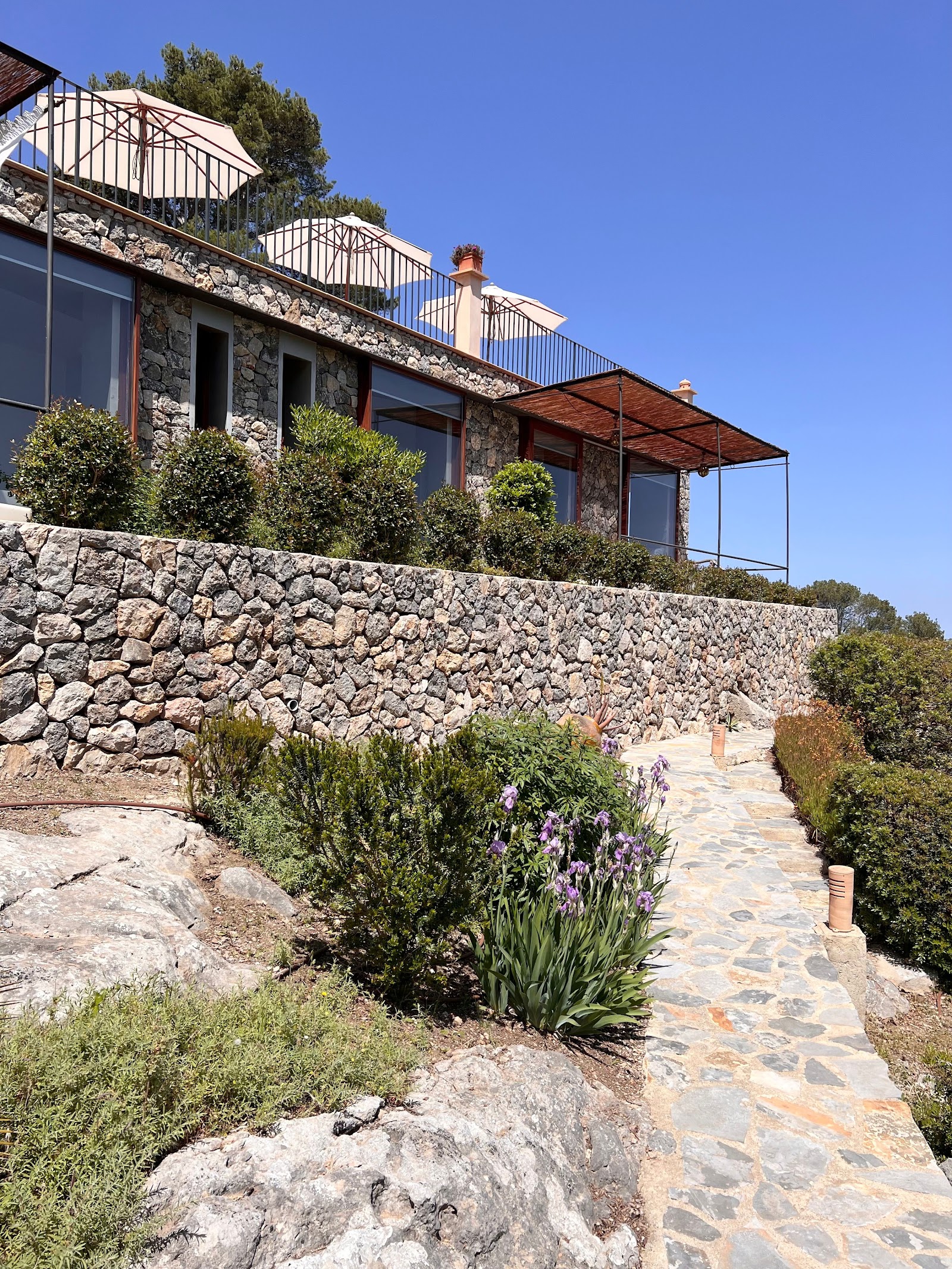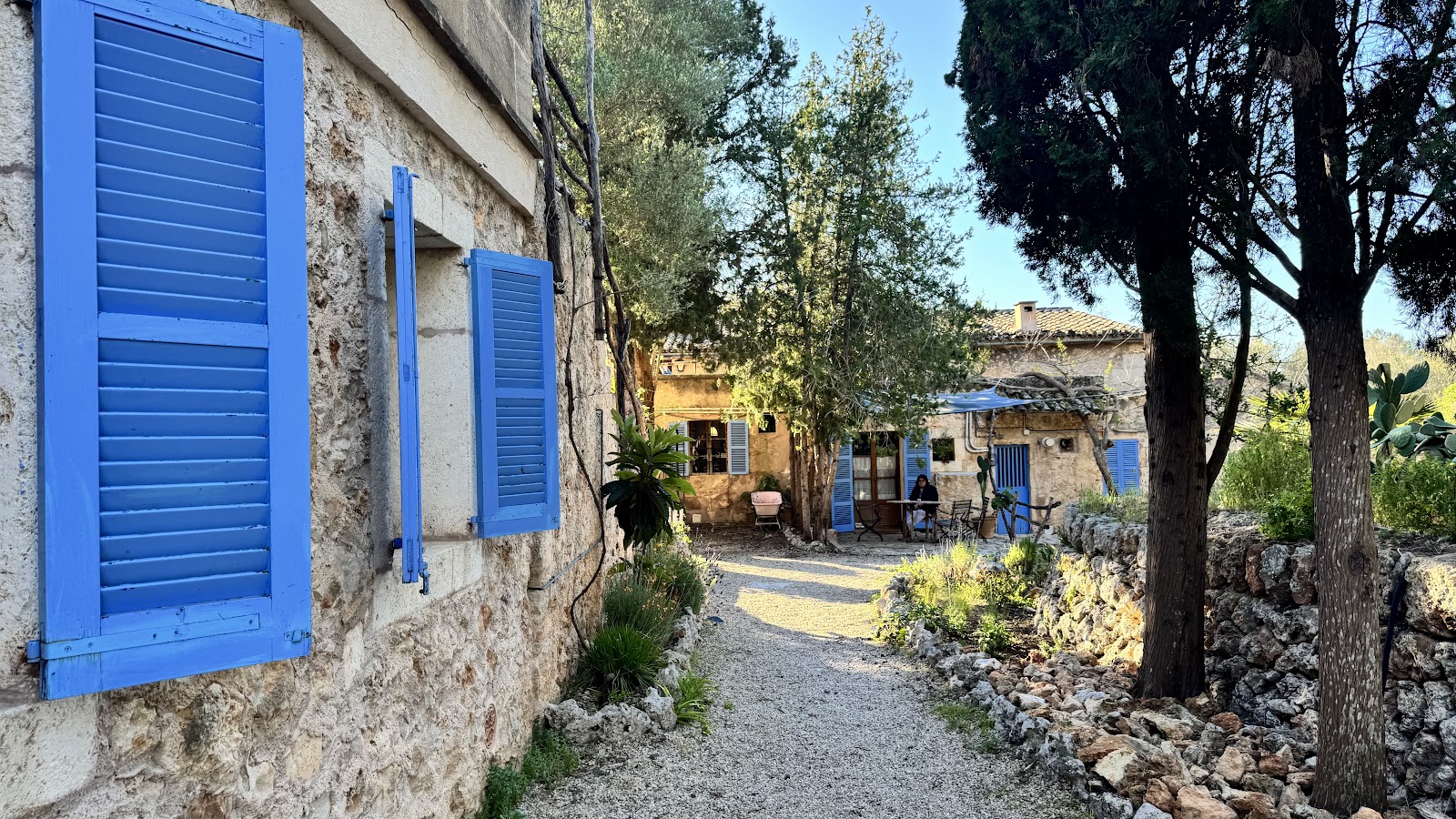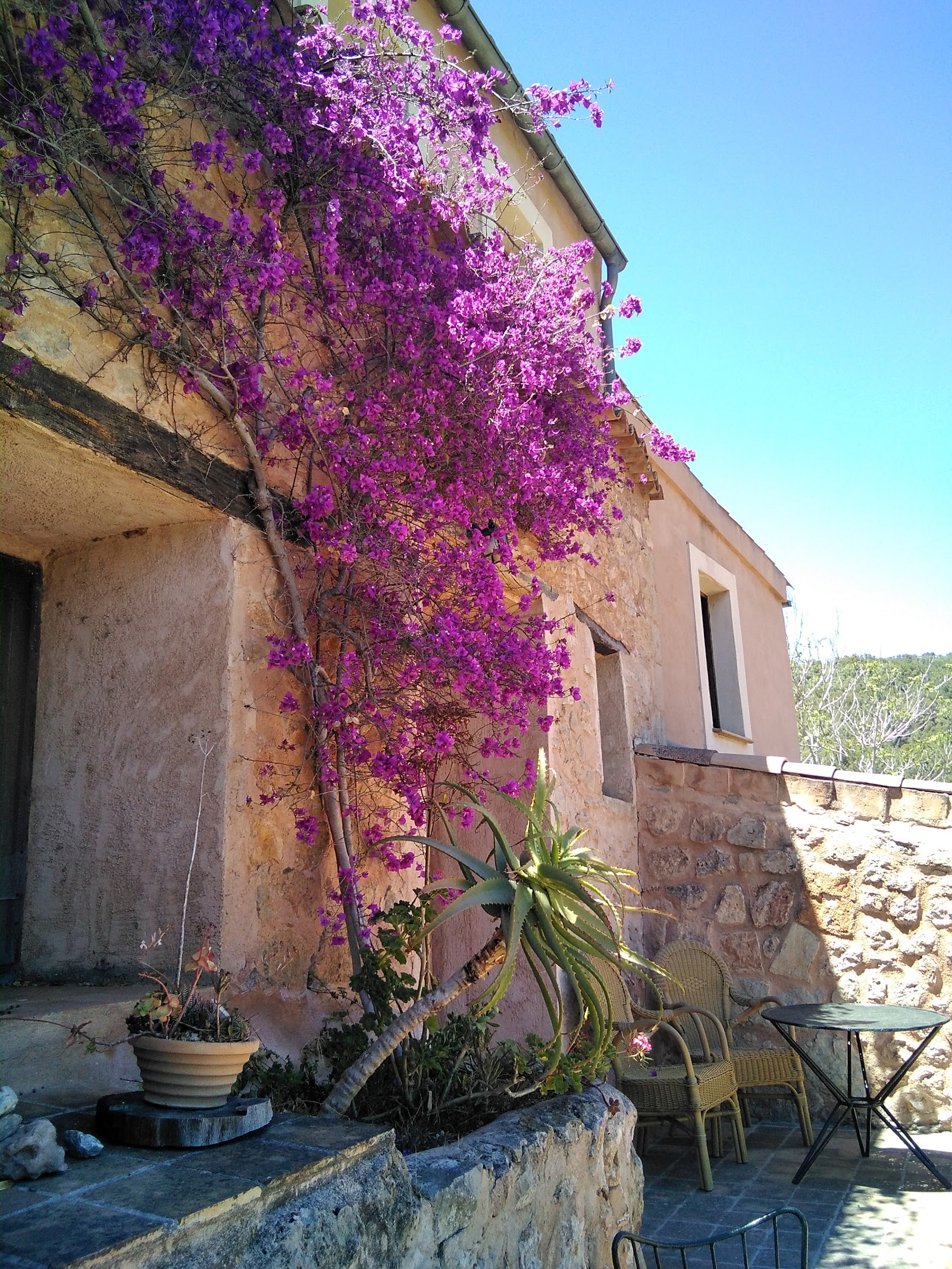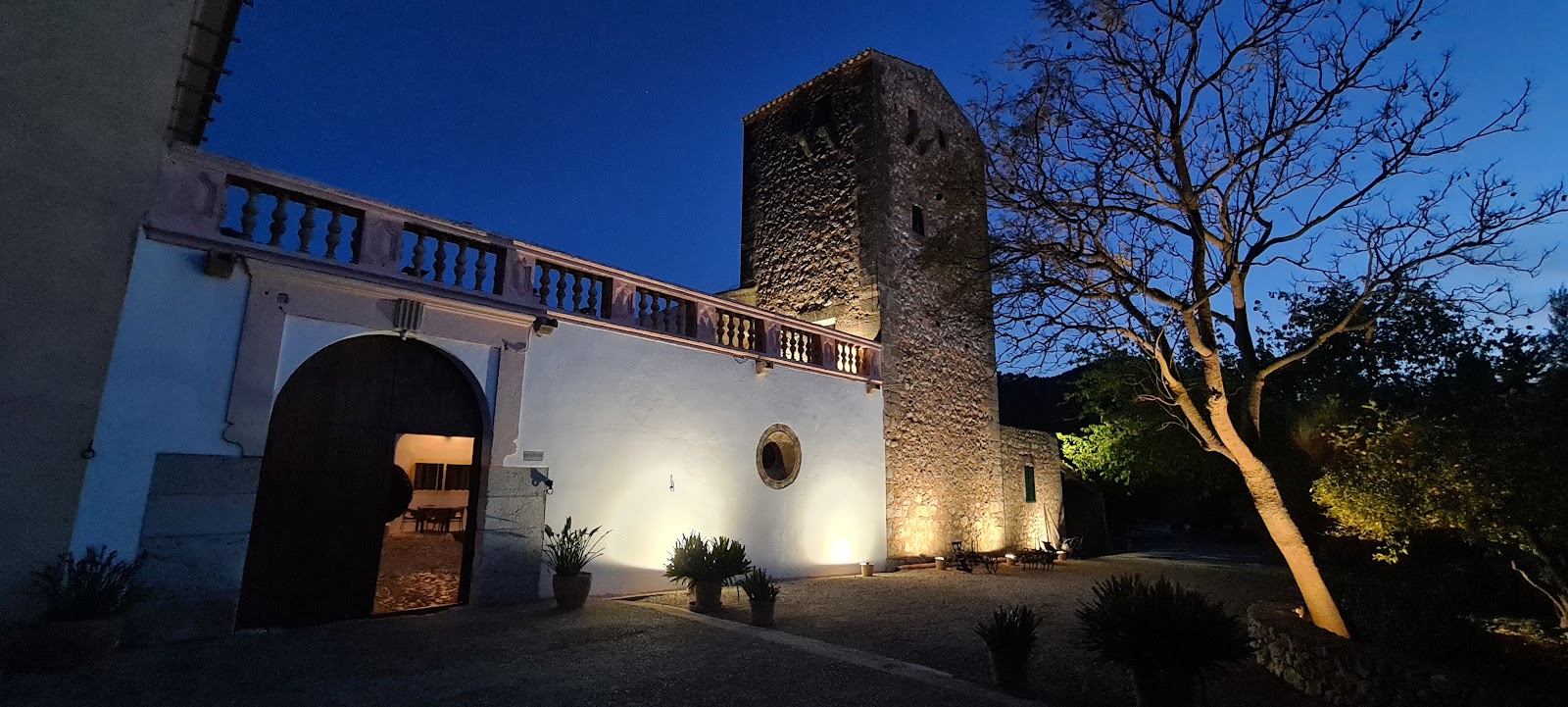


Baleares is not just sand. Behind each island lies a territory of medieval villages in the interior, stone lighthouses on cliffs, ruins that speak of Roman and Arab occupations, and trades that have remained unchanged for centuries. This guide takes you to those places that make the archipelago something more than a resort postcard.
Heritage and history
Cathedral of Palma de Mallorca
The Metropolitan Cathedral of Santa Eulalia has dominated the port of Palma since the thirteenth century. Its Gothic façade is reflected in the water, but it is the interior where it surprises: vaults 44 meters high, stained glass windows that let light pass over the sea, and a cloister that breathes in silence. The renovation work by Antoni Gaudí in the early twentieth century added wrought iron details that still generate debate among scholars of his work.
Basilica of Alcúdia (Mallorca)
Within the walls of Alcúdia lies the parish church dedicated to Sant Jaume, a fourteenth century construction that shows the transition between late Gothic and Balearic Renaissance. The stones of the wall surrounding the village date from the medieval period, and from the battlements you can see Pollença Bay to the north. It is a place where defensive and religious architecture converge within the same perimeter.
Villages with soul
The interior of Mallorca holds villages where life follows a rhythm far from the sea. Valldemossa is known for having housed Chopin and George Sand in 1838, but its true wealth lies in the Carthusian Monastery, a fourteenth century monastery with monks' cells, a library and a printing press that still exists. The cobblestone squares of the village preserve ice cream shops that have been operating for generations.
Deià, a few kilometers away in the Serra de Tramuntana, is a village of stone houses stacked on the mountainside, with views of the Mediterranean from any corner. It has no beach but it has a natural port, Sa Calobra, where the Torrent de Pareis ends: a five-kilometer hiking route that descends from the heights to the cove, between 150-meter high rock walls. Artists came to Deià in the 1950s and left an imprint of galleries and writers that persists.
Pollença offers a historic village with a staircase leading to the church of Nostra Senyora dels Àngels (33 steps), surrounded by art galleries and cafés. The Sunday market is traditional and fills with local producers. From Puig de Maria, on the outskirts, you can see Puig de Pollença and the entire bay: it is a 20-minute walk.
Nature and routes
Serra de Tramuntana is the backbone of Mallorca, a mountain range of almost 90 kilometers that is part of the Natura 2000 network. The GR-221 route connects Andratx with Pollença in eight stages, passing through Deià, Sóller and interior villages. Each stage is between 15 and 20 kilometers. The best time to explore these routes is between April and May, or from September to October, when temperatures allow for walking without difficulty.
Formentor Lighthouse Viewpoint (Mallorca): at the northern tip of Alcúdia, a lighthouse from 1863 stands above 100-meter cliffs. The road that goes up is one of the most spectacular on the island, with sharp curves and views of northern Mallorca. Upon arrival, the white and red stones of the lighthouse contrast with turquoise waters and steep cliffs.
s'Albufera Natural Park of Mallorca: a saltwater lagoon between Alcúdia and Muro, refuge for pink flamingos, red ducks and marsh harriers. A ride in a flat-bottomed boat allows you to observe birds without disturbing them. Entry is free and there is an interpretation center with information about migratory cycles.
Living tradition
Socarrats are glazed tiles that decorated the stately homes of Sóller, made in a kiln from clay from the valley. The Sóller Museum, located in a sixteenth century palace, has a collection of these socarrats and local ceramics. But the true experience is to walk through the streets of Sóller: orange and lemon trees from the Vall de Sóller surround the village, and the specialty is almond liqueur Palo, distilled since the nineteenth century. The wooden train from 1912 that connects Sóller with Port de Sóller is part of living heritage: its original carriages still operate, descending the 29 kilometers of coast in 20 minutes.
In Menorca, the handmade shoes of Alaior maintain the manual crafting technique that has defined the Pons Quintana brand since 1795. The shops in the village still sell models made in the same workshop. If you want to see the process, some producers offer small group visits to workshops.
Where to stay to see it all
Boolook has 169 properties in Baleares, with an average price of €148.29 per night. For heritage and interior, Pollença is central: access to Serra de Tramuntana, Puig de Maria, mountain villages and Alcúdia in 15 minutes by road. We have 14 properties in Pollença. Sóller is the ideal base if you want that orange valley and the historic train: 9 options available. For Ibiza and more eclectic heritage, Sant Joan de Labritja offers peace with access to the island's northern nature. If you prefer coast and village with character, Deià (4 properties) or Valldemossa (5 properties) put you in the heart of Serra. Search accommodations in Baleares by area and filter by flexible dates to find availability according to your trip.
— Boo
The essentials of Baleares don't need a beach. Even though you have one 20 minutes away.